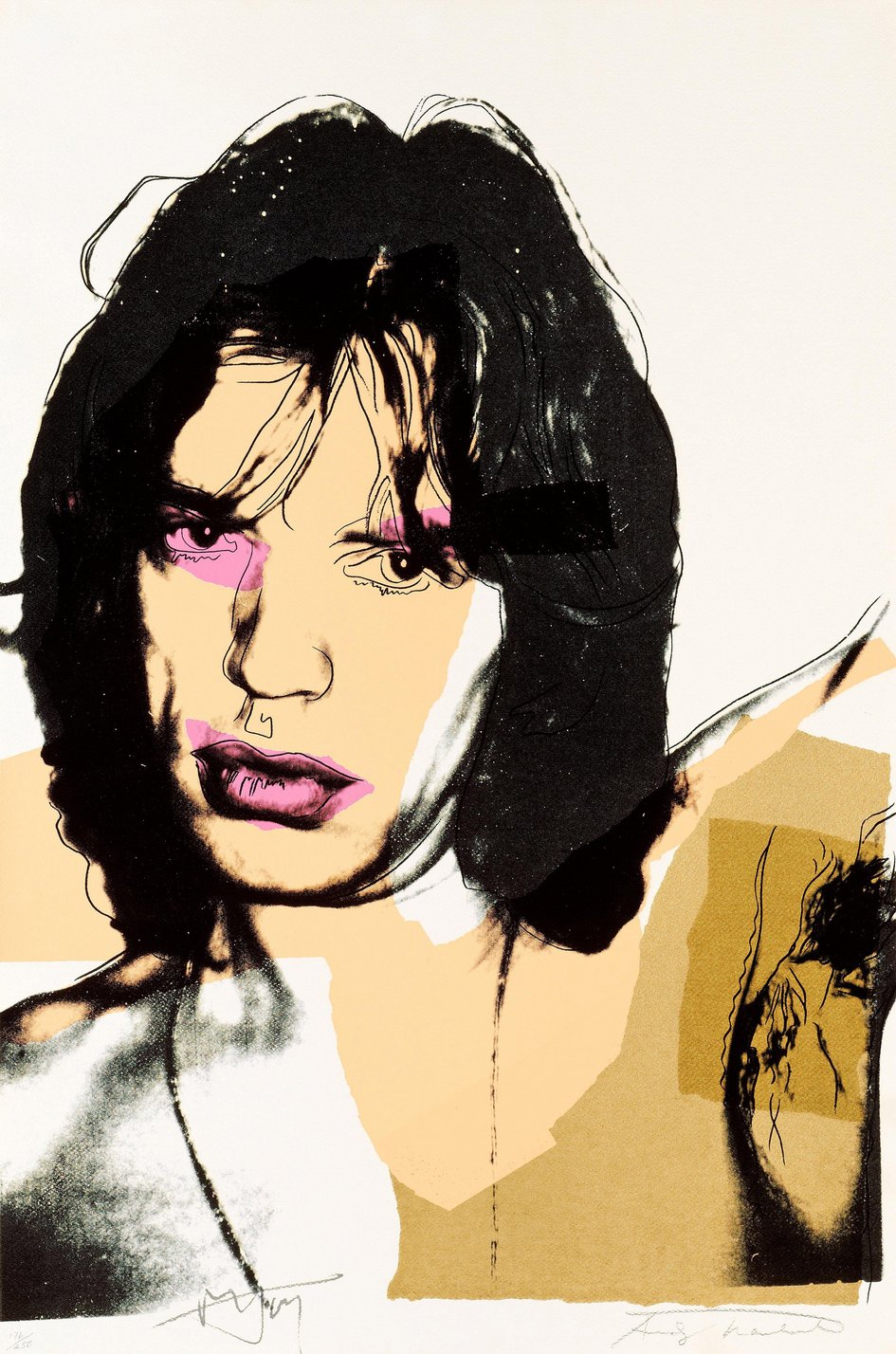
This image is an example of the types of Prints & Photographs You Can use as collateral for a loan Today at Luxury Pawn shops for Fine Art

Pawn Fine Art & Paintings

5% Fixed Monthly Interest rate & no early payment penalties
Accurate, auction-based valuations & same day payment
No hidden fees, no credit checks & FCA regulated
Up to 7 Months Contract
Get a Free Valuation
We offer a complimentary valuation (no obligation) and same day payment, call 020 7493 0385 to speak with our team or email us at [email protected]
9-Time Winners National Pawnbroking Association Award

Fine Art & Paintings we loan against

5%

fixed monthly interest rate

35+

years experience

40+

industry awards

Up TO

7

Months Contract

How we value fine art & paintings

Call us or fill in the form on our website

You can start pawning your fine art and paintings online via our website (by filling in our contact form), emailing or calling us, or simply by visiting our pawn shop in central London, just off Oxford Street.

We can consider a loan against one artwork or a collection of paintings, prints, sculptures or photographs. A collection can be particularly useful where individual works have modest values, but the group has a meaningful combined value and a coherent resale market.

For a single work, we focus closely on its individual attribution, condition, provenance, medium, and comparable sales. For a collection, we also consider:

– Whether it is a coherent group by artist, movement, medium or collector

– The value and liquidity of each individual work

– Whether works are framed, stored and documented appropriately

– The practicalities of transport, handling, cataloguing and secure storage

– Whether selling the group together or separately would be more realistic in the market.

Please provide our experienced pawnbrokers with details about your artwork, including artist, medium, size, and provenance. Our art pawnbrokers ensure a seamless process for your valuable paintings and fine art pieces.

Get a Free Valuation

Or call 020 7493 0385 to speak with our team

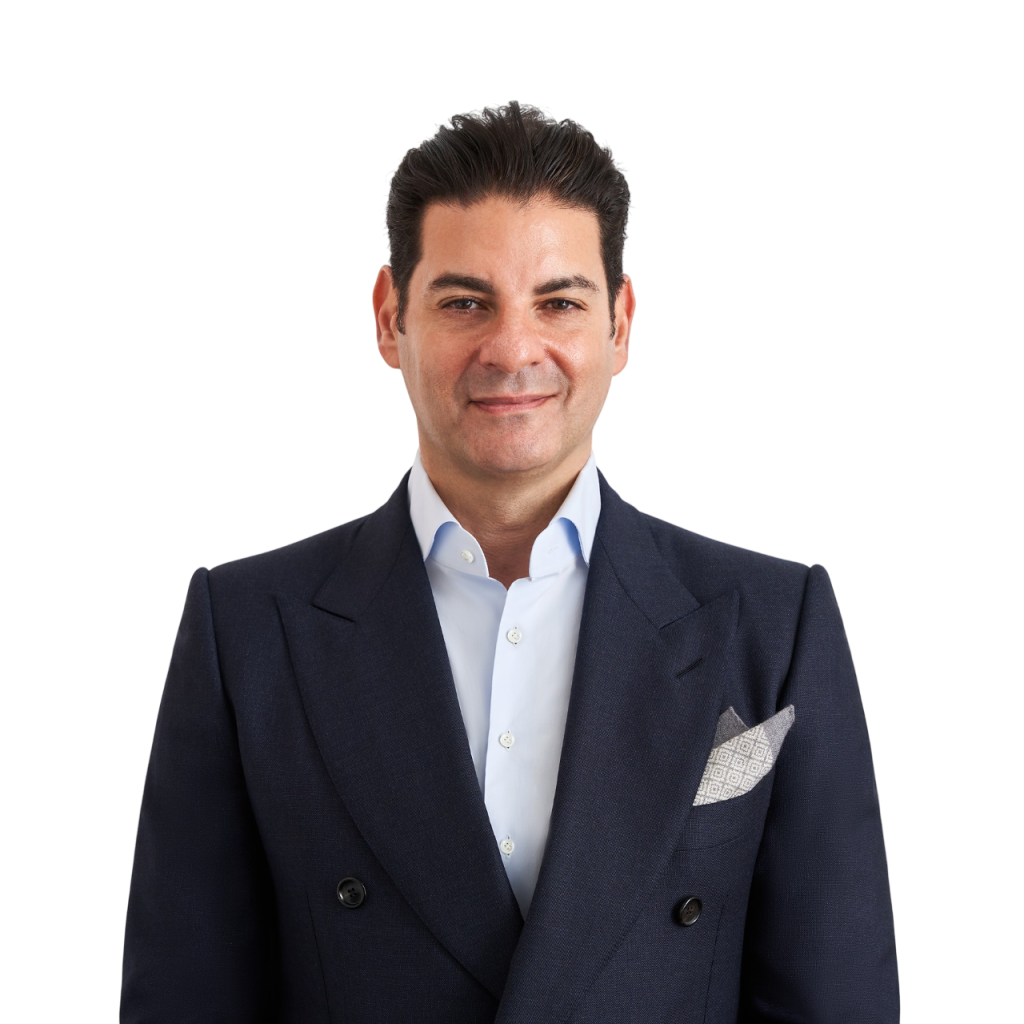
David sonnethal appraising fine Art & Paintings for a loan Today at our Luxury Pawn shop

2. Review Fine Art

Our art collateral loans begin with an initial review of the artist, title, medium, dimensions, photographs, ownership history, and any available documents. A final loan offer can only be made after the work has been physically examined.

Our valuation process considers:

– Artist attribution and whether the work is signed, dated, numbered or otherwise documented.

-Provenance, including invoices, gallery labels, certificates, catalogues, estate documentation and previous auction records.

– Medium, scale, subject matter, date and rarity within the artist’s wider body of work.

– Condition, including restoration, tears, paint loss, fading, foxing, staining, cracking, relining or frame-related damage.

– Comparable auction results, current dealer availability and wider demand for the artist, period and type of work.

– For prints and photographs, the edition size, edition number, paper, printer or publisher, margins and condition.

For art secured lending we use auction results as evidence, but differences in signature, edition, condition, provenance, timing and buyer demand can materially affect the result. For a recent example, two different 2004 Banksy Girl with Balloon pieces achieved £125,250 at Bonhams and £239,400 at Christie’s in the same year, which highlights how these details matter.

In brief, our art experts meticulously examine your fine art at our Central London pawn shop, assessing things like artist reputation, historical significance, condition, and market demand. We’re well-versed in Old Masters, modern, and contemporary art loans,  so we’re confident in providing an accurate appraisal.

David sonnethal appraising fine Art & Paintings for a loan Today at our Luxury Pawn shop

3. Agree Loan Amount

The amount available and fine art loan terms depend on the appraisal value of the specific work. From there, based on various inputs, we offer a loan-to-value ratio of between 50% and 70% of the work’s potential resale value.

As a practical guide, a highly liquid work by a recognised artist, with strong provenance, excellent condition and several recent comparable sales, may support a higher loan-to-value outcome than a work with limited auction evidence or condition questions.

For example:

– A documented Banksy print with a clear edition history and strong condition could have a readily identifiable market, supported by comparable auction sales.

– A contemporary painting by a recognised but less frequently traded artist may still be acceptable security, but fewer comparable results can lead to a more cautious advance.

– A sculpture or Old Master work may have a substantial value, yet require deeper assessment of attribution, restoration, handling requirements and specialist buyer demand.

Our art specialists provide a loan offer against artwork after reviewing the work in person. The loan is secured against the artwork, not your income or credit profile. From there, the final amount reflects what we can responsibly lend against the asset at that time.

In brief, our pawnbrokers present an accurate loan offer based on your artwork’s provenance and market position. Our Mayfair art experts work with you to find a loan amount that works for both parties. Upon your approval, we will move to completion.

David sonnethal appraising fine Art & Paintings for a loan Today at our Luxury Pawn shop

4. Receive Payment

Once everything is signed and sealed, we send a same-day bank transfer that typically arrives in 2 to 4 hours. Then, your precious works are stored in accordance with best practices in the fine art industry.

David sonnethal appraising fine Art & Paintings for a loan Today at our Luxury Pawn shop

Case study: Omega Speedmaster Professional 145.022-69

A self-employed consultant has a personal tax payment due before a fixed-term deposit is released, and needs about £2,500 for two months. Rather than sell a long-held Speedmaster Professional 145.022-69,…

Read the case study

Case study: pawning a A. Lange & Söhne Lange 1 101.021

A retired architect needs £10,000 towards urgent roof repairs while a notice savings account takes eight weeks to release funds. They consider a three-month loan against a yellow-gold A. Lange…

Read the case study

Case study: pawning a Banksy Love Rat Unsigned Screenprint

A retired architect needs £10,000 towards urgent roof repairs while a notice savings account takes eight weeks to release funds. They consider a three-month loan against a yellow-gold A. Lange…

Read the case study

Case study: pawning a Breguet Type XX Aéronavale

A self-employed contractor has a confirmed project settlement on the way but needs to cover staff costs and materials before it clears. Rather than sell a Breguet Type XX Aéronavale…

Read the case study

Case study: pawning a Bulgari Monete Tubogas Necklace

A retired architect needs £10,000 towards urgent roof repairs while a notice savings account takes eight weeks to release funds. They consider a three-month loan against a yellow-gold A. Lange…

Read the case study

Case study: pawning a Cartier Diamond and Onyx Panthère Hoop Earrings

A retired architect needs £10,000 towards urgent roof repairs while a notice savings account takes eight weeks to release funds. They consider a three-month loan against a yellow-gold A. Lange…

Read the case study

Case study: pawning a Cartier Tank Cintrée CPCP

Ahead of a close family wedding, a client needs to meet supplier payments before the proceeds of a property sale arrive, and wants temporary funding against a yellow-gold, hand-wound Cartier…

Read the case study

Case study: pawning a Chopard L.U.C 1860

A parent needs around £5,000 to meet a school-fee deadline that falls before a scheduled investment distribution, and considers a white-gold Chopard L.U.C 1860 reference 16/1860/2 as collateral rather than…

Read the case study

Case study: pawning a Damien Hirst Spin Painting

A retired architect needs £10,000 towards urgent roof repairs while a notice savings account takes eight weeks to release funds. They consider a three-month loan against a yellow-gold A. Lange…

Read the case study

Case study: pawning a F.P. Journe Chronomètre Bleu

A collector plans to bid on a painting, but the auction’s payment deadline falls before a fixed-term deposit matures. He explores whether his F.P. Journe Chronomètre Bleu could bridge the…

Read the case study

Case study: pawning a Ferrari 328 GTS car

A retired architect needs £10,000 towards urgent roof repairs while a notice savings account takes eight weeks to release funds. They consider a three-month loan against a yellow-gold A. Lange…

Read the case study

Case study: pawning a Harry Winston Sunflower Diamond Necklace

A retired architect needs £10,000 towards urgent roof repairs while a notice savings account takes eight weeks to release funds. They consider a three-month loan against a yellow-gold A. Lange…

Read the case study

Case study: Pawning a Patek Philippe Nautilus

A company director needs to bridge a time-sensitive property commitment without selling the stainless-steel Patek Philippe Nautilus 5711/1A he has owned for several years. This illustrative case study follows the…

Read the case study

Case study: pawning a Richard Mille RM 11-03

An entrepreneur has agreed terms to buy a small specialist business and needs a deposit within a short window, before proceeds from the sale of another interest arrive later in…

Read the case study

Case study: pawning a Rolex Submariner

A business owner whose invoice payment has been delayed by three weeks contacts us by telephone to see whether his Rolex Submariner Date 16610 could support a short-term loan without…

Read the case study

Case study: pawning a Tiffany & Co. Schlumberger Sixteen Stone Gold and Platinum Ring

A retired architect needs £10,000 towards urgent roof repairs while a notice savings account takes eight weeks to release funds. They consider a three-month loan against a yellow-gold A. Lange…

Read the case study

Case study: pawning a Vacheron Constantin Overseas 4500V/110A-B128

A consultant needs £12,000 to meet an overseas postgraduate tuition deadline for their daughter, six weeks before a scheduled investment withdrawal. They consider a two-month loan against a steel Vacheron…

Read the case study

Case study: pawning a Van Cleef & Arpels Alhambra Onyx and Diamond Bracelet

A retired architect needs £10,000 towards urgent roof repairs while a notice savings account takes eight weeks to release funds. They consider a three-month loan against a yellow-gold A. Lange…

Read the case study

Case study: pawning an Audemars Piguet Royal Oak 15500ST

A creative-industry professional is waiting on a delayed final payment for a completed project and would rather borrow against a Royal Oak Selfwinding 15500ST than sell a watch bought to…

Read the case study

Case study: pawning an IWC Big Pilot’s Watch IWC500901

A homeowner faces an urgent roof-repair bill of around £2,500 before a fixed-term savings account becomes accessible, and considers a short-term loan against an IWC Big Pilot’s Watch IW500901 rather…

Read the case study

Case study: pawning an van Goyen Old Master Painting

A retired architect needs £10,000 towards urgent roof repairs while a notice savings account takes eight weeks to release funds. They consider a three-month loan against a yellow-gold A. Lange…

Read the case study

Our promise to you

When you secure a loan against fine art or paintings with our Mayfair pawnbrokers, we offer a competitive 5% fixed monthly interest rate. This transparent pricing ensures your art collateral loans remain predictable and manageable, whether you’re leveraging individual paintings, sculptures, drawings, or a painstakingly assembled collection. Up to 7 months contract.

Get a Free Valuation

Our pawnbrokers provide precise, auction-based valuations for your fine art pieces. This approach ensures you receive a fair offer against paintings and similar works, with loans that reflect current market trends and the unique qualities of your treasured pieces.

Get a Free Valuation

Conveniently situated in the vicinity of Oxford Street, our fine art pawn shop loans are celebrated for their convenience, discretion, and openness. Our upfront pricing, with no hidden fees or charges, allows you to take out a loan against your fine art or painting without stressing about the fine print.

We are also regulated by the Financial Conduct Authority and are 6-Time winners of the National Pawnbroking Association Award.

Get a Free Valuation

Using your fine art or painting as collateral for a loan with New Bond Street Pawnbrokers doesn’t require credit checks. This policy ensures swift, discreet financing for all clients, regardless of credit history. Our Mayfair location is just off Oxford Street and offers accessible fine art transactions that don’t affect your credit score, making them perfect for collectors and investors alike.

Get a Free Valuation

As trusted art pawnbrokers, we offer same-day payments, with loans often appearing in your account in as little as 2 to 4 hours. Using high-end art as collateral allows our customers to seize time-sensitive opportunities or cover unexpected expenses. Sometimes, fine art’s utility goes beyond sitting on your walls.

Get a Free Valuation

When you borrow against paintings with New Bond Street Pawnbrokers, our loans are built to adapt to your situation. You can pay off your Old Masters art loans at any time during your two to seven-month term without being burdened by an early termination fee or other hidden charges.

Get a Free Valuation

As FCA-regulated pawnbrokers, we ensure our Art collateral loans adhere to the highest standards. When you use fine art and paintings as collateral for a loan at our Central London pawn shop, you’re guaranteed a fair, transparent, and secure transaction protecting both you and your valuable artwork.

Get a Free Valuation

The most awarded pawnbroker in the UK

New Bond Street Pawnbrokers is a high-end, multi-award-winning pawn shop in Mayfair, Central London, specialising in initial online valuations and loans on fine assets such as jewellery, watches, classic cars, diamonds, art, memorabilia, prints, sculptures, and paintings.

With over 40 prestigious industry awards & nominations, we are a 6-time National Pawnbrokers Association (NPA) award-winning luxury pawn shop, operating for over 25 years from our Central London, Mayfair store. With a loyal customer base and flawless reviews, our track record speaks for itself, making us one of the best pawn shops and pawnbrokers in London for luxury and fine watches, jewellery, art, paintings, photographs, classic cars & more. We retain a customer base of high-net-worth individuals and famous names through competitive interest rates, discretion, trust, and impeccable service.

Headed by David Sonnethal, a familiar media figure, New Bond Street Pawnbrokers’ modern, forward-thinking approach to providing collateral loans on fine items and assets has not gone unnoticed by the public, the media, or trusted industry bodies. 

Our reputation as an industry leader is cemented by awards that recognise the value that our local pawn brokers bring to customers in London, from initial online valuations to collateral loans on fine watches, art, paintings, diamond jewellery, classic and prestige cars.

We took home the National Pawnbrokers Association (NPA) Best Store of the Year award in 2024, 2019 and 2008 thanks to our commitment to innovation, adoption of technology, and a strong focus on teamwork, and the National Pawnbrokers Association – Employee of the Year award in 2025 and 2021. Additionally, the NPA awarded us in 2022 and 2023 for our engaging social media work, which helped bring us closer to our customers.

New Bond Street Pawnbrokers also won “Best Website” and “Disruptive Business Model” at the UK Business Awards, thanks to our focus on customer-centric digital experiences. Finally, our win at the Experian Credit Awards demonstrates our dedication to responsible lending, customer care, and digital innovation in the luxury pawnbroking sector in and near London, and across the UK.

Transparency, fair collateral lending practices, and user-friendly experiences are at the heart of what we do at New Bond Street Pawnbrokers. Reach out today to discover why we’re the most awarded luxury pawn shop in London & the UK for collateral loans on watches, fine art & paintings, diamonds, diamond jewellery, luxury, vintage and classic cars.

Get a Free ValuationLoan calculator
National
Pawnbrokers
Association
9-Time Winner

Our Team

Susana Figueiredo

Manages the day to day running of the business

Mariana Vlad

Manages the day to day running of the business

Constantin Singureanu

Heads up our marketing and digital efforts

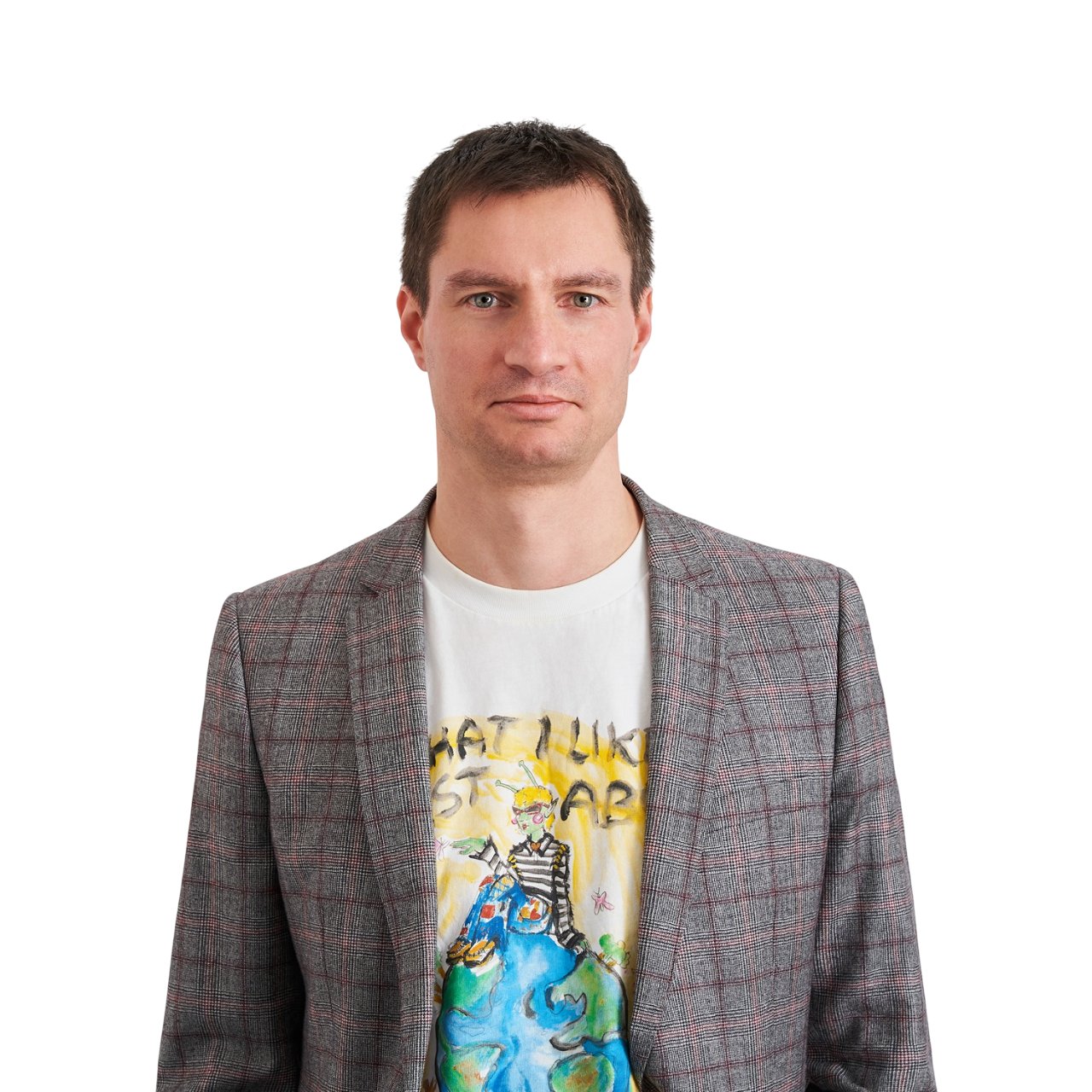
David Sonnenthal

The founder of New Bond Street Pawnbrokers

Honest reviews about New Bond Street Pawnbrokers

Artwork & paintings you can use as security for a COLLATERAL LOAN

Andy Warhol
Damien Hirst
David Hockney
Raoul Duffy
Banksy
Roy Lichtenstein

We also provide loans on works by many other artists including Bernard Buffet, Marc Chagall, Sean Scully, Tom Wesselmann, Tracey Emin, Banksy, Van Gogh, Salvador Dali, Robert Rauschenberg, Jean-Michel Basquiat and many more - our pawnbrokers are available for all fine art and painting enquiries and serve all UK and London areas, including Mayfair, Hatton Garden, Westminster, Fulham, Islington, Chelsea, Shoreditch, Kensington, Lambeth, Marylebone, Waterloo, Covent Garden, Soho, Fitzrovia, Belgravia, Pimlico, Bayswater, Leicester Square, Green Park, Bloomsbury, London Bridge, Bankside, Trafalgar Square, Embankment, Charring Cross, Notting Hill, Knightsbridge, Tower Hill, City of London, Victoria, Liverpool Street .

*All our work is private and confidential, with no contract fee and no hidden charges. We are regulated by the Financial Conduct Authority and members of the National Pawnbroking Association

Featured in the Press

Our quality service, high standards, and innovative business practices have earned positive press coverage from a diverse set of media outlets such as The Times, The Telegraph, Time Out, Channel 4, The Spectator, and more.

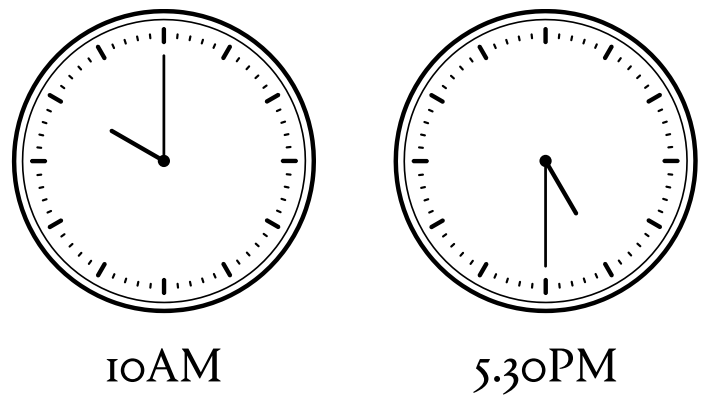
Opening Hours

Open
Monday to Friday

Closed
Saturday & Sunday

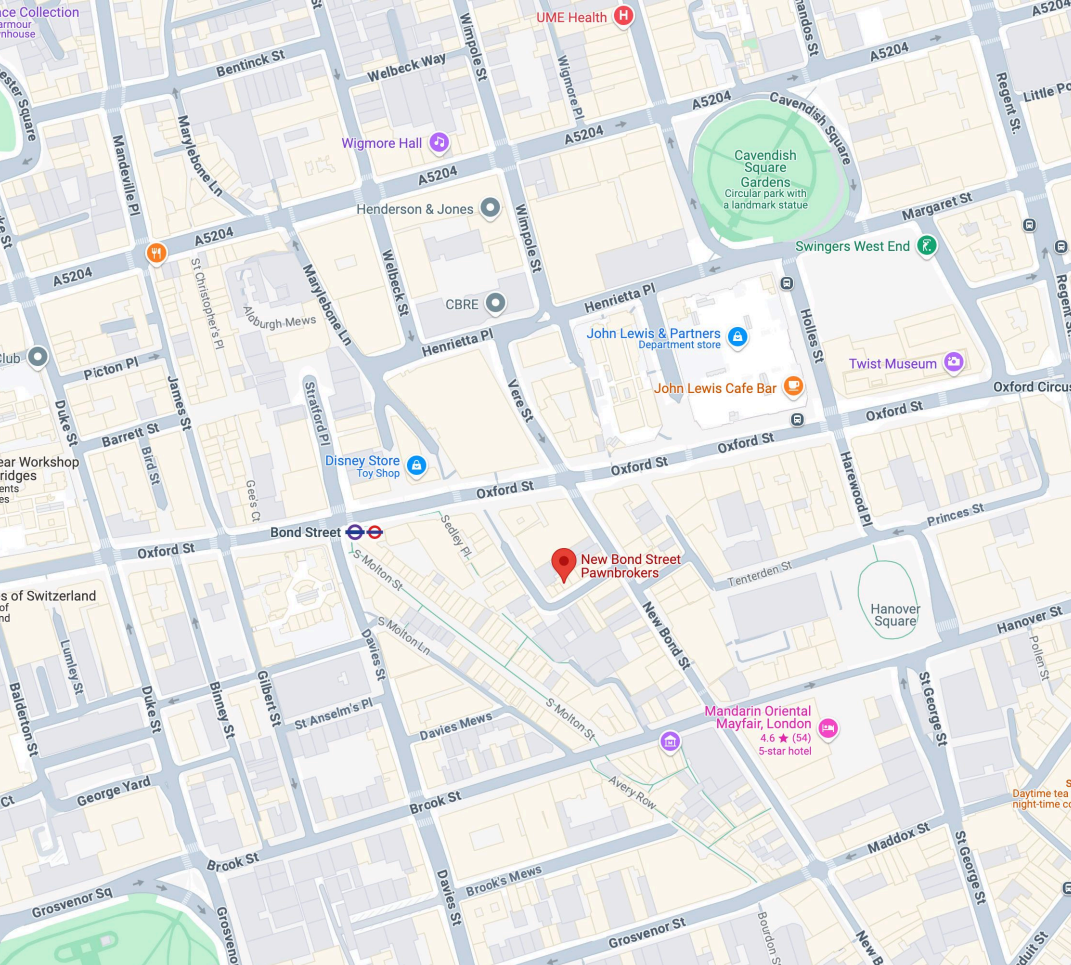
Our premises are at 5 Blenheim Street, just off New Bond Street. From Oxford Street, head south on New Bond Street and turn right onto Blenheim Street. We’re on the left side of the street.

Whether you are looking to pawn your luxury watch, diamond jewellery (earrings, necklaces, bracelets, wedding & engagement rings), fine art and paintings, GIA diamonds, or a classic car, you can reach our pawn shop easily from any area in Central London, including Mayfair, Hatton Garden, Westminster, Fulham, Islington, Chelsea, Shoreditch, Kensington, Lambeth, Marylebone, Waterloo, Covent Garden, Soho, Fitzrovia, Belgravia, Pimlico, Bayswater, Leicester Square, Green Park, Bloomsbury, London Bridge, Bankside, Trafalgar Square, Embankment, Charing Cross, Notting Hill, Knightsbridge, Tower Hill, City of London, Victoria and Liverpool Street.

5 Blenheim Street, Mayfair London W1S 1LD

Bus

Several bus routes serve the area around New Bond Street:

Routes 7, 94, 98, 139, and 390 stop at Selfridges on Oxford Street, a short walk from our location.

Routes 12, 88, 94, 159, and 453 stop at Conduit Street/New Bond Street.

From any of these stops, it’s a brief walk to our premises on Blenheim Street.

5 Blenheim Street, Mayfair London W1S 1LD

Car

While driving in central London can be challenging due to traffic and parking restrictions, several public car parks are nearby, the closest of which is on Burlington Street.

Please note that the area is within the Congestion Charge zone, which operates from 7:00 to 18:00 Monday to Friday and 12:00 to 18:00 on weekends and bank holidays.

5 Blenheim Street, Mayfair London W1S 1LD

Tube

Bond Street is the nearest tube station; it’s served by the Central, Jubilee, and Elizabeth lines. Oxford Circus and Green Park stations are also within walking distance of our store.

5 Blenheim Street, Mayfair London W1S 1LD

FAQs

Pawning your fine art & paintings with New Bond Street Pawnbrokers in Mayfair, London, offers a flexible alternative to selling your asset. When you access finance using art as collateral for a loan , you retain ownership and can reclaim your piece after repaying the loan. This option is ideal if you need short-term financing while keeping your treasured artwork.

Our art pawnbrokers are lending against fine art with an established resale market. Our art backed lending service can include original paintings, drawings, sculptures, signed limited-edition prints, and photographs.

We regularly consider loans against fine art from:

– Modern British art, including David Hockney, L.S. Lowry, Henry Moore, Barbara Hepworth and Ben Nicholson.

– Modern and post-war art, including Pablo Picasso, Marc Chagall, Salvador Dalí, Jean-Michel Basquiat, Andy Warhol and Robert Rauschenberg.

– Contemporary art, including Banksy, Tracey Emin, Damien Hirst, Sean Scully, Tom Wesselmann and other artists with a well-documented auction market.

– Old Masters and 19th-century paintings, where attribution, condition and provenance can be properly established i.e. Rembrandt, Caravaggio, or Vermeer.

– Fine Prints & Photographs including limited edition prints and rare photographs, sculptures, particularly where the edition, signature, condition and publisher are verifiable.

We don’t charge penalties for early repayment of your loan on fine art. You’re welcome to redeem your painting and fine art at any time during the agreed term, without any early repayment penalties. Rest assured, we are confident that we are one of the most transparent and trusted artwork pawn shops in Mayfair, Central London – we have 6 Awards from the National Pawnbroking Association to back it up.

Typically, you can access art backed loans against your painting or fine art for up to seven months. However, we offer flexibility and can discuss longer terms if needed.

If you’re unable to repay the loan, we may need to sell the artwork to recover the loan amount. However, our pawn shop for paintings & high-end art always aims to work with our clients to find mutually acceptable alternative solutions.

To bring your luxury art and painting to our pawn shop in Mayfair, central London, you’ll need to provide proof of ownership and identification. Any available provenance documentation, such as certificates of authenticity or purchase receipts, can be helpful.

Some limited examples of areas our fine art pawnbrokers will assess include:

1. Provenance of the piece

Provenance is a record of ownership of a work of art which can be used as a guide to authenticity – it can take many forms, including (but not limited to) statements from the artist themselves, names of previous owners of the piece of art, a mention or illustration of the piece in a book or exhibition catalogue, or exhibition or gallery stickers attached to it.

Of course, there are many different forms, all of which help to increase the desirability and value of the artwork.

2. Examining the ‘catalogue raisonné’ of the artist

A catalogue raisonné is the comprehensive listing of all the known output by a certain artist, providing detailed and important information about each piece, which may include titles, dimensions, dates, locations, and themes.

3. Non-invasive examination of authenticity

Our experienced fine art pawnbrokers use non-invasive approaches, such as the use of x-rays, optical microscopes, and UV fluorescence.

We work closely with leading auction houses to support professional valuations of your fine art and paintings.

Yes, you can renew your loan agreement against the same piece of art or painting, subject to a revaluation and agreement on new terms.

Once we have physically appraised the artwork, agreed the loan amount, and completed the documentation, we normally transfer funds the same day, with funds often arriving within two to four hours. Timing can depend on the artwork’s complexity, the availability of provenance material, whether specialist authentication is required and any transport arrangements.

No credit check is required for a loan secured against fine art. The loan is secured against the painting, sculpture, print or collection itself rather than your credit score, income or borrowing history. This means the application does not affect your credit rating.

To help us provide an initial indication quickly, include as much information as possible when you contact us, such as:

– Artist, title, medium, dimensions and date, if known.

– Clear front, back, signature and label photographs.

– Provenance, invoices, certificates, gallery documentation and auction history.

– Details of condition, restoration, framing and storage.

– For prints, the edition number, total edition size, signature and publisher or printer details.

Rest assured, your artwork will be stored in our secure, climate-controlled facility in Mayfair. We take great care in maintaining the condition of all pawned items.

Yes. Provenance, condition and exhibition history can significantly impact valuation and therefore, the final loan amount.

Some things that give buyers and lenders confidence include:

– A clear chain of ownership
– Original purchase invoice
– Gallery label
– Certificate of authenticity
– Inclusion in a catalogue raisonné
– Documented auction history.

Conversely, some things that can give our experts pause are:

– Gaps in provenance
– Uncertain attribution
– Unresolved title issues
– Missing edition documentation.

Condition also matters greatly. A signed print with bright colours, full margins and no restoration is normally more desirable than the same edition with fading, creases, or repairs.

Loan-to-value, or LTV, is the proportion of an artwork’s assessed resale value that can be borrowed. A higher LTV is generally possible where the work is easy to authenticate, has strong current demand and can be sold through an established market without undue delay.

If you are in or near London, and decided to choose New Bond Street Pawnbrokers as your fine art pawn shop “near me”, you can expect the following:

– Up to around 70% may be realistic for highly liquid, well-documented works by artists with frequent auction sales, especially where the condition is excellent, and the work has a clear resale audience.

– Around 50%–60% may be more appropriate where demand is less consistent, the work is more specialist, the market has softened, provenance requires further review, or comparable sales are limited.

– A lower offer, or no offer, may apply where attribution, title, condition, authenticity or marketability cannot be established with sufficient confidence.

Fine-art loans are available over terms of two to seven months, with a fixed monthly interest rate of 5%. Your agreement confirms the amount borrowed, monthly interest, redemption date and the total amount payable before you proceed.

For example, a £25,000 fine-art loan at 5% per month would mean:

– Two months, with monthly interest of £1,250 and total interest of £2,500.

– Four months, with monthly interest of £1,250 and total interest of £5,000.

– Seven months, with monthly interest of £1,250 and total interest of £8,500.

You may redeem your artwork during the agreed term. Before arranging collection, contact the team for a current settlement figure. There is no separate early-redemption penalty, although interest due under the agreement remains payable.

1. Andy Warhol

Warhol was a draftsman, filmmaker, and printmaker, as well as an artist. This is why his work is often so difficult to define, despite the popular collective term “pop art”.

Warhol is quoted as saying: “How can you say one style is better than another? You ought to be able to be an Abstract Expressionist next week, or a Pop artist, or a realist, without feeling you’ve given up something.”

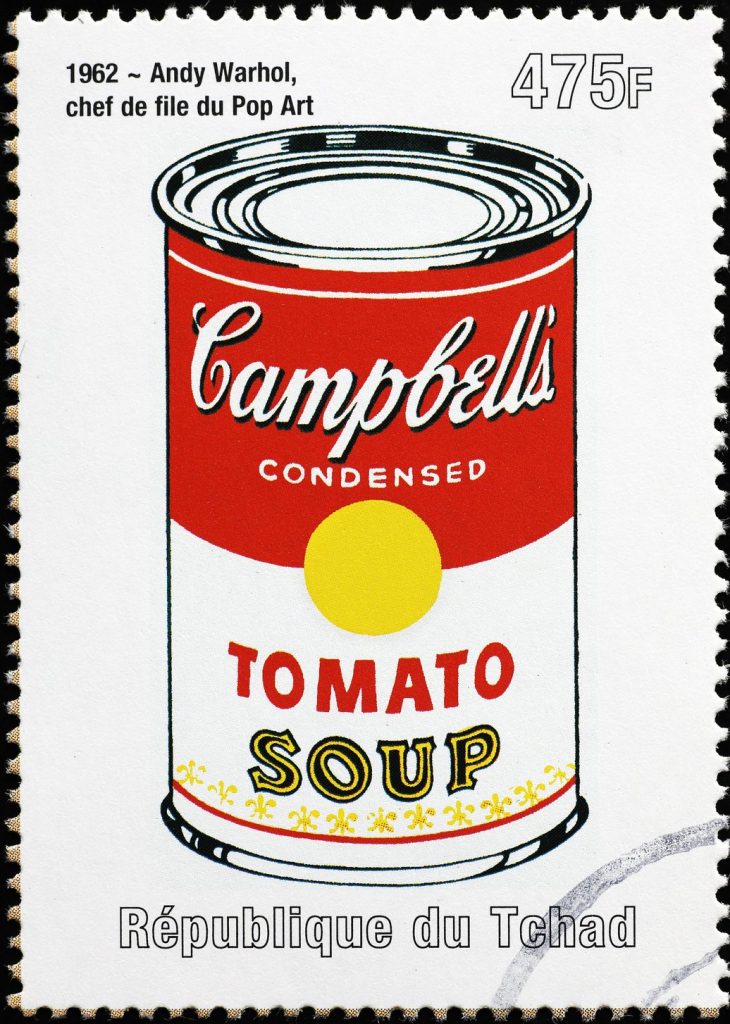
It was possibly his 32-piece “Soup Cans” exhibition (depicting varieties of Campbell’s condensed soup) that signaled both his rise to fame and his unique perspective when it opened its doors in 1962. Of course, his silkscreens of Marilyn Monroe and Elizabeth Taylor have inspired mass merchandise.

Some of the mystique of Andy Warhol’s work, and its subsequent value for selling and pawning purposes, comes from the colorful personal history of this charismatic genius. Warhol was born into a poor, Eastern European immigrant family in Pittsburgh. Yet he went on to live a Bohemian life, the darling of New York’s High Society and intellectual circles.

Andy Warhol both manipulated and reflected popular tastes and cultural references, to create his iconic pieces that are sold and pawned for record fees. In his later years, before his tragically early death, Warhol concentrated on experimental films, but fortunately for art lovers, he had previously been prolific. This is why the permanent collection of his art in Pittsburgh is the largest museum in the US dedicated to a single artist.

There is more on the life and work of Andy Warhol in this excellent profile by Vanity Fair magazine

Many of Warhol’s art pieces and paintings are highly valuable and in demand alongside the most expensive art the world has seen. This makes them and other pieces ideal for securing loans on pop art when visiting high-end pawn shops such as New Bond Street Pawnbrokers.

The fact is that Andy Warhol’s art pieces painting do sell well, and have high value at pawn shops. His haunting image Silver Car Crash (Double Disaster) sold in 2013 for $105.4 million and Green Car Crash (Green Car Burning I) went for $71.7 million in 2017.

2. Bernard Buffet

Born in 1928 in Paris, and educated at the National School of Fine Arts on the Left Bank of the Seine, Bernard Buffet worked in Eugène Narbonne’s studio and developed a bold, graphic style of expressionism and deft use of colour. He also took a stand against abstract art by establishing the Witness Man collective of artists.

Buffet produced more than 8,000 works before taking his own life in 1999. Despite never achieving critical acclaim during his lifetime, Bernard Buffet enjoyed enormous commercial success, which explains the increasingly high value of his art and paintings at pawn shops.

Buffet’s works remain consistently popular with collectors and pawnbrokers alike, raising huge sums at auction. The highest price tag to date was for his 1991 work Les Clown Musiciens, Le Saxophoniste, which fetched £1 million at Christie’s in London in 2016. Second place goes to La Tour Eiffel (1955), which raised £774,000 at Matsart in Israel also in 2016; followed by Scene De Rue (1956), which Sotheby’s in New York sold for £620,000 in 1990.

3. Damien Hirst

Damien Hirst is one of the most iconic British artists of the late 20th century and reportedly the country’s richest living artist, with an estimated wealth of over £200 million. His controversial and often elaborate modern art pieces have made him synonymous with the contemporary art scene in the UK, and are sold alongside some of the most expensive pieces of art in the world. Many of Hirst’s pieces have sold with a hefty price tag, but undoubtedly his most famous installation is ‘The Physical Impossibility of Death in the Mind of Someone Living’. This divisive but undeniably thought-provoking piece consists of a dead tiger shark, preserved in formaldehyde solution and presented in a clear display cabinet.

Producing the artwork cost £50,000 in itself, but it sold for an undisclosed fee (reported to be around £8 million) in 2004. His 2008 auction, ‘Beautiful Inside My Head Forever’, was a record-breaking two-day event at Sotheby’s Auction House in London, that made £118 million over 128 items.

Many books have been written on the subject of Damien Hirst’s art. What you can say, is that the notoriety Hirst gained in the 1990s as a member of the Young British Artists gives him a unique cultural position. His controversial artworks always attract media attention and are often expensive to make – such as his Golden Calf, a marble-plinthed formaldehyde-preserved cow with 18-carat gold horns and hooves, which sold for £10.3 million in 2008.

4. David Hockney

David Hockney (OM, CH, RA) is one of the Western world’s most celebrated and iconic artists of the 20th century. A highly influential figure in the Pop Art movement of the 1960s, Hockney’s seminal paintings (such as 1967’s A Bigger Splash) are instantly recognizable to art connoisseurs the world over. Of course, David Hockney’s huge reputation has also brought in some hefty price tags, placing his work alongside some of the most desirable at pawn shops. His 1972 acrylic painting Portrait of an Artist (Pool with Two Figures) became the world’s most valuable painting by a living artist at the time, when it sold for £70 million at the prestigious Christie’s auction house, in New York, in November 2018. Hockney’s previous record sale, also in 2018, was £17.4 million for Pacific Coast Highway and Santa Monica (1990)…yet again a record in the world of modern art auctions.

The Yorkshire-born painter, now based in LA, is an icon of post-war contemporary art and he is reaping the benefits of the nostalgia that holds sway over much of the modern cultural zeitgeist. His transatlantic appeal, with working-class British roots but a very bright and breezy American style on his classic paintings, also helps to keep interest (and prices) high at pawn shops.

5. Jean-Michel Basquiat

Jean-Michel Basquiat produced a wealth of street art as well as pieces on paper and canvas during his active years. These have become highly sought after, with collectors, art enthusiasts, auction houses, and pawn shops alike having a deep appreciation for Basquiat’s African-inspired style. Between the years of 2003 and 2017, the value of 171 pieces of Jean Michel Basquiat’s work increased, with some fetching returns of up to 96.5%, making his art and paintings even more desirable at pawn shops.

Indeed, Basquiat’s work has been known to reach record-breaking prices. His painting ‘Untitled’ sold at Sotheby’s for an incredible $110,487,500 in 2017, which was the most an American artist had ever reached during an auction.

6. Marc Chagall

Marc Chagall (1887 – 1985) was a celebrated Russian-French Modernist painter, glass painter, and sculptor noted for working on a synthesis of Cubism, Symbolism, and Fauvism. Robert Hughes called Chagall “the quintessential Jewish artist of the twentieth century,” and Chagall was inspired by Eastern European Jewish folk culture. While his work predates Surrealism, it is largely inspired by a similar dedication to the symbolic, poetic, and emotional, resisting the logic and line of the pictorial.

At a young age, Chagall moved to Paris, and then fled to the United States as a refugee during World War II. He traveled widely later in life and is known for his use of colour, expression, and the employment of a diverse range of mediums. Chagall was commissioned to create artwork for the ceiling of the Paris Opéra, murals for the Metropolitan Opera House, in New York, and a window for the United Nations building, in New York. The artist’s work was exhibited at the Musée du Louvre, Paris in 1977. He provided illustrations for Gogol’s Dead Souls and the Bible.

In November 2017, Chagall’s 10-foot-wide Le Grand Cirque (1956) sold at Sotheby’s for nearly £12 million during the longest contest of the night – 6 minutes during the auction house’s Impressionist and Modern art sale. In the same sale, Chagall’s Les Amoureux (1928) was the evening’s top sale at £22.3 million. Both sales broke Chagall’s 30-year-old £11.6 million auction record. This record was set by Chagall’s oil painting The Anniversaire (1923) at Sotheby’s in 1990.

Chagall was a prolific artist and lived to be nearly 100 years old, with most of the material on the market from his later years. As of 2017, his most inexpensive work to go on sale (according to the Artnet Price Database) was the lithograph La piège (1962) for £2,900 in 2000.

The market for Chagall art and paintings has been described by art expert Simon Shaw as “very broad and deep”. Pablo Picasso said in the 1950s that “When Matisse dies, Chagall will be the only painter left who understands what colour really is.”

7. Raoul Dufy

Raoul Dufy’s artworks are celebrated for their vibrant colours and stunning decorative style. His outdoor watercolors, in particular, have an expressive painterly quality and display a sweep of rich patterns that also transfer well to textiles and ceramics. His paintings are valuable, beautiful things to own.

Dufy was prolific, and that can affect the quantity of his art floating on the market, sometimes pushing prices down. His prints are especially volatile in value and much depends on the quality of the print itself and the quantities involved in any limited edition run. Raoul Dufy prints have gone for as little as a couple of hundred pounds, but paintings hold their value much better at pawn shops.

His L’Église de Taormina went on sale in a London gallery for £40,000. In 2017, his 1936 oil on canvas Régates à Deauville sold for $200,000, which is nearly £160,000. His most expensive artwork sold at auction is his 1907 painting La foire aux oignons, which sold for US$7,941.112 – well over £6,000,000. In 1947 Dufy said, “I have found the essence of my painting in the journey and in the search … ” Perhaps that is a life sentiment we can all relate to.

8. Robert Rauschenberg

The artist was one of the forefathers of what came to be known as pop art, and his name is highly desirable at pawn shops. While names such as Warhol and Lichtenstein would go on to be synonymous with the movement, without the groundwork laid out by Rauschenberg, none of it would likely have been possible.

9. Salvador Dali

Born in Figueres, Spain, Dali was destined for the life of an artist. He enjoyed his first drawing lessons at just 10 years of age, and became a student at the Madrid School of Fine Arts as a teenager. Trips to Paris and viewings of the work of Pablo Picasso influenced his unique style, which often incorporated his own childhood memories.

Dali was a highly skilled draftsman by trade but developed an incredible flair for seeing the world from a unique perspective. His vision had its roots in renaissance art, though much of his artwork has a dreamlike quality to it. The essence of the surrealism movement in art and literature was to reject rational thinking and embrace unconscious thoughts and the full scope of the human imagination. As a result, symbolism was rife in Dali’s art, including recurrent motifs such as melting clocks and elephants with brittle legs.

Wikipedia is a great reference source for more information on this enigmatic and larger than life artist and the unmissable Dali Museum in St Petersburg FL also provides fascinating information and insights.

Many of his most outstanding works are known not just to art lovers and pawn shops, but also to the general public, including the timelessly fascinating “The Persistence of Memory” (1931), “Galatea of the Spheres” (1952), and “Swans Reflecting Elephants” (1937). Alongside his paintings, Dali became known for his film, sculpture and photography as well as his creative collaborations with other gifted individuals of the era such as fashion icon Elsa Schiaparelli.

Dali’s work is much sought after and highly valued at pawn shops. In 2011, his masterpiece “Portrait De Paul Eluard, 1929” sold for over $21.7 million at Sotheby’s, which at the time was a record breaking amount.

His art objects are equally in demand at pawn shops and command record loan prices. Salvador Dalí’s ‘lobster telephone’ was sold to the National Galleries of Scotland for £853,000 (approximately $1,000,000), when it went up for auction in the UK in 2018.

10. Sean Scully

Scully’s impressive sense of colour and composition often translate into powerful, emotive oil paintings boasting broad brushed boxes and stripes. But, not all of Scully’s paintings hang in public spaces. Private owners and dealers sometimes decide they want to release the capital from their paintings, like Sean Scully’s artworks, by pawning them.

Born in 1945, Irish-American Scully has gained international fame, with work held in galleries and collections worldwide, including London’s Tate Gallery, The Museum of Modern Art in New York, and the Reina Sofia National Museum in Madrid, plus many more. Scully’s paintings offer echoes of Rothko but are without the heavier hues that Rothko can bring to the canvas. When you look at Scully’s work you feel reassured, level, and absorbed by new and lyrical landscapes. Scully’s work is much sought after at auctions and pawn shops because of this, and because it seems to transform itself to match any number of different settings wherever it hangs.

The first question that clients ask us is ‘How much can I borrow against my Sean Scully art or paintings ?’ In order to answer that we need to first consider that his ‘Wall of Light’ and ‘Landline’ series have elevated him to become one of the most important artists of the 21st century and a natural successor to the abstract expressionists. Values range enormously.

For instance, a limited edition (x25) hard-ground etching and aquatint in colours on paper entitled Narcissus sold for £2,250 in June 2018. Five months later in November 2018, his painting Landline Red Veined sold for $1,515,000 (approximately £1,178,000) in November 2018. That significantly outpriced the work Grey Red, which had sold for £665,000 in October 2016.

In an interview with the Guardian newspaper in 2015, Sean Scully said “I’ve always wanted my art to be global rather than local. I want to make paintings that people everywhere can relate to.” It is precisely that relevance that makes Sean Scully’s paintings and prints so collectible and desirable at pawn shops.

11. Tom Wesselmann

“The challenge for an artist is always to find your way of doing something,” Wesselmann said. That statement carries echoes of truth for all of us. Life isn’t always predictable. Typically, your Wesselmann artwork might be a screen print, sculpture, or collage stylizing the female figure or some aspect of it: a bold depiction of a cigarette between pouting red lips, or a single shoe in vibrant colours. One of New York’s most famous artists associated with the pop art movement, Wesselman was inspired by contemporary and media culture and other aspects of Americana. His very large-scale paintings hang like billboards in galleries around the world, including the Tate Gallery in London, the Museum of Modern Art in New York, and the National Gallery of Art in Washington, DC.

Along with Lichtenstein and Warhol, Wesselmann is one of the most famous artists to arise from the New York Pop Art scene. His work is incredibly varied and rivals some of the most valuable paintings in the world. His 1960s series Great American Nude features flat paintings in patriotic red, white, and blue. His collages went on to reflect advertising and everyday objects. Then, in the 1980s he began to create wonderful three-dimensional artworks using canvas and cut metal.

Tom Wesselmann said:

“I find sometimes I get so excited working, especially when starting new ideas; I get so excited that I get uncomfortable. It almost feels dangerous, like I’m flirting with something dangerous.”

Perhaps that is what makes his work so contemporary and valuable at auction houses and pawn shops, so real that it almost dances off the wall. His prints and works on paper currently sell for anything from several hundred to many thousands of pounds. His most expensive artwork ever sold at auction remains his 1963 Great American nude no. 48. It fetched $10,681,000 or roughly £8,300,000. If you want to release the capital from your Wesselmann painting while safeguarding your privacy, then New Bond Street Pawnbrokers are here to help you do just that.

12. Tracey Emin

Tracey Emin (CBE) is one of the most ground-breaking, controversial, and exciting artists of the modern British era. Emin produces artworks in multiple mediums including her signature neon tubing, but also applique, sculpture, painting, photography, and drawing. Cutting her artistic teeth in the legendary Young British Artists clique in the 1980s, alongside such luminaries as Damien Hirst, her early work was often supported by iconic advertising mogul Charles Saatchi.

The piece that catapulted Emin into public consciousness was her Everyone I Have Ever Slept With 1963–1995, a mass-produced tent appliqued inside with the names of everyone Emin had ever slept with up until that point. Many misconstrued the exhibit’s title as a euphemism for sexual activity, when in fact she used the term slept in a more literal sense. It was rumored to have sold for around £300,000 before it was destroyed in a warehouse fire in 2004.

Emin’s most famous piece is undoubtedly My Bed. This controversial installation consisted of her own unmade bed, in which she had slept and had sexual intercourse over several days of depressed drinking. Features included bloody underwear, condom wrappers, and cigarette ends. Somewhat predictably, it caused a media storm upon its first showing in 1998. Its value was confirmed at £2.5 million when it was sold in 2014.

Well, all publicity is good publicity goes the common idiom – and this is certainly true for Tracey Emin. The sexually charged nature of her works, and her actions during media appearances, certainly awarded her enviable column inches in the newspapers during the 1990s. However, there is something intensely honest about her most famous pieces that go beyond the tabloid furor and resonate with many people.

13. Van Gogh

Born in 1853 in the Netherlands, the life of Van Gogh is often considered tragic. Now considered one of the most prestigious and sought-after artists of all time at auctions and pawn shops alike, Van Gogh struggled as an artist and reportedly only sold one painting during his life. Van Gogh struggled with his mental health and towards the end of his life stayed in multiple psychiatric facilities. Contemporary art critics now view Van Gogh as one of the key artists who led the post-impressionism movement. As impressionism grew in popularity, so did Van Gogh’s work.

Throughout the course of his life, Vincent van Gogh produced over 2,000 paintings. From landscapes to portraits, Van Gogh’s artwork varies in subject and medium, though he often favored oil paint. Recurring features of Van Gogh’s work include vivid colors and elaborate brush strokes that become more prominent in his work towards the end of his life.

Due to the high demand to own a Van Gogh’s artwork and paintings from collectors and galleries alike, Van Gogh artworks of any size and subject are usually incredibly valuable at pawn shops. For example, a charcoal and graphite Van Gogh drawing, named ‘Orphan Man with Cap’ sold for around $700,000 at auction in 2018. Larger works by Van Gogh are typically seen as more valuable, such as the oil painting ‘Fishing Net Menders in the Dunes’, which sold for over $8 million at another 2018 auction in Paris.

14. Banksy

15. Roy Lichtenstein

Pawnbrokers provide a fast, easy way to get hold of a loan against artworks in your possession. In addition, because these kinds of loans are secured with assets, no credit checks are required.
Pawning is a convenient alternative to selling off the artwork. If you need a quick injection of cash but don’t want to see the back of that precious Lichtenstein, the solution may be to pawn your fine art.

There is also a certain flexibility involved in pawning, meaning that in many situations if you repay the loan early, you can claim the painting back ahead of schedule – perfect for those situations when Uncle Monty is coming to visit and looking forward to seeing that priceless Monet painting he bought you for a wedding present.

Some pre-valuation steps you may decide to take in preparation for the evaluation of an art expert:

1. Identify the artist

If you are looking to pawn fine art, and would like to value it, the first and most important step is to find out which artist the piece you are considering was created by. There’s no need to be disheartened if you don’t recognise the name yourself, as art is valuable to many different collectors and art enthusiasts for many different reasons.

As with any market, established, trusted names can have a big impact on the sale price of an asset. Works by household names like Leonardo da Vinci have sold for stunning amounts, with the Renaissance polymath’s “Salvator Mundi” fetching $127.5m in 2013. Even that was beaten by Rembrandt’s “Pendant portraits” in 2013, after a member of the Rothschild banking family sold it to a consortium of museums for a tidy $180m.

2. Research the context of the painting

Through online research, and considering the style of the painting you are looking at against others, it’s likely you’ll be able to gauge roughly when the piece was created during the artist’s career. By further researching the artist, you should also be able to determine whether or not the piece you have in your possession is representative of their wider body of work, in which way and implications on its value at auction houses, and implicitly at pawn shops.

3. Investigate the ownership history of the piece

Even if the painting you are valuing has been gathering dust in your family for generations, it’s still possible that it was once owned by someone within the highest echelons of society. Perhaps it once hung in the halls of a member of the royal family, or maybe the piece was favoured by another renowned artist.

Through very thorough internet research, you might be able to determine whether or not the fine art you are aiming to finance was ever owned by someone notable, which may increase its value overall.

5. Consider its condition: water damage, rips or any other form of damage, etc

6. Learn about the market – current market value, auction prices, trends.

7. Gather all relevant documentation i.e. provenance, history, ownership and others.

Useful Guides

You can rest assured that you will receive a competitive deal on the market from one of the most awarded collateral lender in the UK. All our loans come with competitive rates of fixed 5% (Representative APR 60%), no hidden fees at all, no early release fees, and loan terms from two up to seven months. A representative example of repayment for a two-month loan of £2500 is £250, thus a total repayment of £2750 at a fixed 5% interest rate (60% per annum).

Newsletter

Sign up for advice on how to pawn your luxury assets the right way.

Contact Form

Constantin Singureanu

Constantin leads our multi-award digital marketing team, with an exclusive focus on delivering the best possible digital experience for our clients, from the moment they reach our website, finding the information they need, and getting in touch, to learning interesting facts about the fascinating world of luxury via our comprehensive blog.

Mariana Vlad

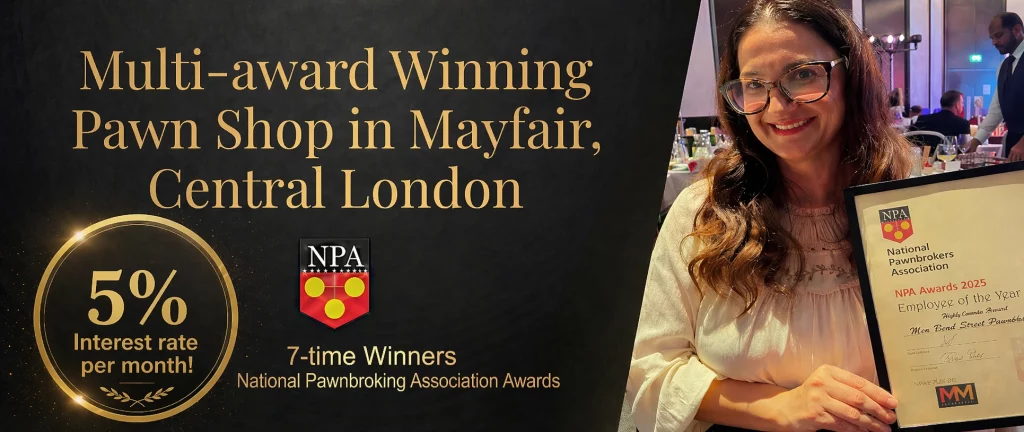
Mariana has been working in the pawnbroking industry since 2014. She enthusiastically embraces her newly found interest in watches. Mariana thoroughly enjoys working with customers, building strong relationships, and over her long and distinguished career, she has distinguished herself through excellent communication skills and high personal integrity. In 2025, Mariana won the prestigious “Employee of the Year” Award from the National Pawnbroking Association (NPA).

Employee of the Year 2025 – National Pawnbroking Association Awards (NPA) 

Susana Figueiredo

Having worked in the pawnbroking industry for 20 years, Susana offers a high level of knowledge within the lending sector.  Her expertise is key to the daily business at New Bond Street Pawnbrokers where she ensures that compliance is adhered to. With a keen interest in the satisfaction and experience of our clients, Susana is a huge asset to the team and is a fundamental part of the day-to-day running of the company.

Employee of the Year 2021 – National Pawnbroking Association Awards (NPA) 

David Sonnenthal

David Sonnenthal took an unusual route into pawnbroking, moving into the industry after a successful career in show business. Between the ages of 17 and 26, he worked as a professional actor, appearing in a variety of productions on both stage and screen. In 1996 he even won the prestigious Perrier Award for acting at the Edinburgh Fringe Festival.

His pawnbroking career in London started quite by chance after he discovered the future site of New Bond Street Pawnbrokers during an acting audition in 1999. Immediately seeing the shop’s potential, he turned it into a successful pawn shop London business and went on to become one of the UK’s top pawnbrokers.

David is a highly respected figure in the pawnbroking industry, winning the National Pawnbroker Association’s award six times in 2025, 2024, 2022, 2021, 2019, and 2008. Over the course of his 25-year career, he has gained a reputation as one of the pioneers of UK and London’s pawnbroking. He is a regular fixture in the British media, often providing expert advice on market values.

Never one to lose touch with his roots, David has even managed to continue his entertainment career as the resident dealer on Channel 4’s popular Four Rooms TV series.

New Bond Street Pawnbrokers
Privacy Overview

This website uses cookies so that we can provide you with the best user experience possible. Cookie information is stored in your browser and performs functions such as recognising you when you return to our website and helping our team to understand which sections of the website you find most interesting and useful.