


Alternative student loan options
Alternative student loans offer different ways to pay for study beyond securing a government loan via Student Finance England. The main options include private lenders, university bursaries, family help, and short-term collateral lending.


What are alternative student loans?
Alternative student finance is any funding you use alongside or instead of government student finance.
Student Finance England loans are government loans for tuition and living costs, repaid from your income after you leave your course. Typically these loans include a Tuition Fee Loan for the course and a Maintenance Loan to cover expenses. However, not every course or student is eligible.
Some other options for student loans include private postgraduate loans, university funds, family help, and borrowing against a valuable asset. Each type has its own eligibility criteria and may suit some, but not all needs.

Why might you need an alternative to a student loan?
Some reasons why you might need an alternative to a student loan include:
- The Maintenance Loan may not cover your living costs. Government support comes mainly from loans, grants and bursaries.
- Your course may not qualify. Private lenders fund courses such as MBAs, professional qualifications, and bootcamps, which government loans often don’t cover.
- If you live outside the UK or aren’t a UK national, you may not qualify for the full package of UK government student finance.
- You may want to bridge a gap before funding arrives.
Government student loans vs private alternative student loans
The key differences between government loans and private alternative student loans are how repayment works and who assesses you.
Government loans
- Repayment depends on your income, not the amount you owe.
- On Plan 5, you repay 9% of income over £25,000, and interest is currently 4.1%.
- On a Postgraduate Loan, you repay 6% of income over £21,000, with 6% interest.
Private loans
- Alternative education loans from private lenders use fixed schedules and affordability checks. For example, some providers require credit and affordability checks.
- One private lender’s representative example is £30,825 over 120 months at 12.73% APR, with a monthly cost of £509.26 and a total repayable amount of £61,199.65.
- Some private lenders advertise 7% and 12% interest rates, though rates vary.
- Some private lenders require a guarantor.
Private lender student loans are more expensive than government-backed loans, have scheduled repayment terms, require credit checks, and will impact your credit rating if you do not repay on time.
Bursaries and scholarships vs student loans
Universities may give money on top of student finance, but each sets its own rules on who qualifies and how much it pays. Scholarships can cut your tuition fees automatically or pay a one-off, annual or termly sum towards living costs. Hardship funds can help if you face unexpected costs. They are paid as a lump sum or in instalments. Some are loans you must repay, so check which type you’re offered.
A big advantage of bursaries and scholarships is that you usually don’t have to repay them. The trade-offs are limited eligibility, longer processing times, and awards that may not cover all your costs. While student loans are more expensive, they may provide more certainty in some situations.
Savings, work and family help vs borrowing
Savings, part-time work and family help carry no interest, but they may not cover the full cost of tuition and maintenance. The government lists part-time work, bursaries, scholarships and family contributions as ways to fill a funding gap.
Compared with borrowing, these approaches have pros and cons. If you use savings, you could be exposed if you have an emergency. Working part-time can be a good solution, but it means less time to study and less debt. Family help is great, but it’s not a reality for every student.
Pawn shops vs. student loans
A pawnshop loan can be one of the best alternative student loans if you need to fill a funding gap and you have a valuable asset. These loans are secured against luxury items such as timepieces, paintings, jewellery, or vehicles, and can suit short-term costs like a deposit, equipment, or a gap before funding arrives, but less so a multi-year degree.
The primary differences between a pawn loan and a student loan include:
- Repayment: you repay a student loan after you finish studying from your income, while pawn loans are usually repaid within six or seven months.
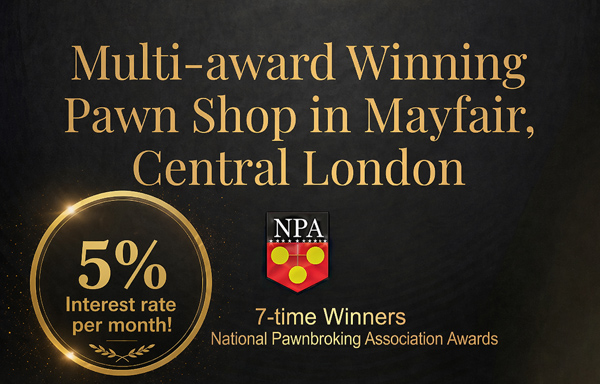
- Cost: pawn shop loans charge monthly interest and are typically more expensive than student loan rates.
- Risk: if you fail to repay a pawnshop loan, you could risk your pledged asset.
- Speed: pawnshop loans help customers unlock quick capital, which can help cover funding shortfalls or delayed payments.
Overall, pawn shops are a credible alternative to funding some expenses that come with studying. Most often, they do not affect credit scores as banks would, because the loan is secured against the asset – hence often no credit checks are carried out. However, they are not a solution to funding three-year course fees and accommodation because they are short-term loans with strict repayment dates that are not based on your future income, like student loans.
How to choose the best alternative student loans
To compare the best alternative student loans, use this checklist.
- Total repayable: Compare the total cost of each option, including any fees.
- Repayment timing: Government loans start after you leave your course and depend on income. Some private lenders offer up to six months’ grace for full-time students, with interest accruing after. Always have a clear plan for how you will repay your loan.
- Security and liability: Check whether you need a guarantor, or whether an item is at risk.
- Credit impact: Some private lenders require credit checks, which can impact your credit rating.
- Early repayment: If you are using a loan to cover temporary funding shortfalls, ensure you can terminate your loan early without penalties.
Choosing between lenders
Other Alternative Lending FAQs
Career development loan alternatives
Career development loan alternatives are useful when courses aren’t covered by an employer or eligible for government-backed assistance. Here are some alternatives that can help cover your fees.
Alternative lenders for personal loans
There are several alternative lenders for personal loans, including non-bank loan providers, credit unions, community lenders, and pawn shops. They offer another form of borrowing: a short-term loan secured against a valuable item rather than an unsecured personal loan. The…
Alternative loan lenders
Comparing alternative loan lenders is about finding the right fit for how much you need, how quickly you need it and whether you can offer an asset as security. The firms below are named only as examples of each lender…
Alternative business loans
Alternative business loans can help fund stock, equipment and cash-flow gaps. Options range from borrowing against valuables to financing unpaid invoices. The right choice depends on what you need, how you will repay and what you are prepared to put…
Alternative loans
Alternative loans offer borrowers different options from traditional bank or building society loans. Understanding costs, eligibility requirements, and repayment obligations is essential before deciding which one is right for you.Constantin Singureanu.

Featured in the Press
Our quality service, high standards, and innovative business practices have earned positive press coverage from a diverse set of media outlets such as The Times, The Telegraph, Time Out, Channel 4, The Spectator, and more.