

Pawn shops are alternatives to bank loans
Pawn shop loans are an alternative to bank loans for people who own eligible assets and are prepared to pledge them as security. They can offer quick access without a credit check, but usually cost more than high-street bank loans and put the pledged item at risk.
The comparisons listed below focus mainly on unsecured personal bank loans. Figures are illustrative unless identified as published terms.


How are pawn shop loans different from bank loans?
A pawn loan is secured against a valuable possession that the lender holds until repayment, while an unsecured bank loan assesses your creditworthiness and ability to repay.
- Pawn loans: typically last up to six or seven months, with the loan and interest usually repaid together.
- Personal bank loans: typically last one to five years, with monthly instalments.
Pawn shop loans may suit a temporary funding need where you have an eligible valuable. Bank loans may suit borrowers who need repayments spread over longer periods and want to retain access to their possessions.
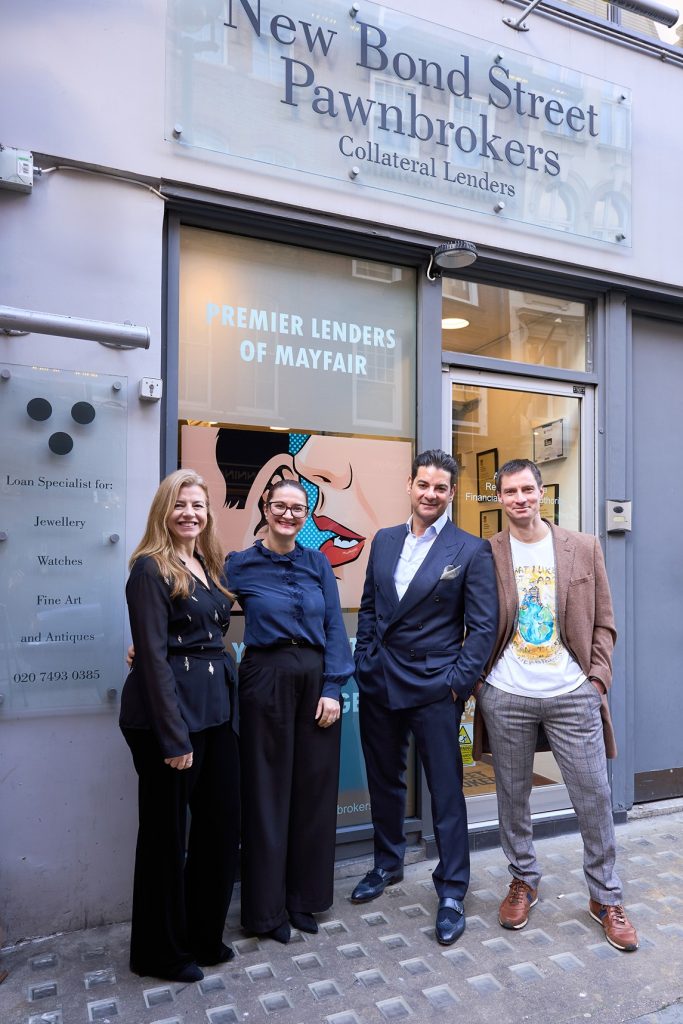
Pawn shop loans vs. bank loans: which is easier to qualify for?
A pawn loan should be easier to obtain if you have poor credit because pawnbrokers do not typically carry out credit checks. However, this easier qualification hinges on ownership of a pawnable asset like watches, diamond jewellery, classic cars, prints & photographs, rare books, or art.
Bank lenders check your credit record. This can affect approval, the amount available, and the interest rate offered. Many provide eligibility checkers using a soft search before you make a full application.
Remember, an advertised bank rate is not guaranteed, and only 51% of approved applicants must receive the representative APR or better. The remainder may receive a higher rate.
Finally, pawnbroking offers an alternative to credit-based approval, but loan value depends on the firm’s valuation of your asset.
Pawn shop loans vs. bank loans: which provides funds faster?
Pawn loans are known for their speed, with many borrowers able to receive their money on the same day. However, your item needs to be assessed before a loan is granted, so specialist authentication and valuation can affect timing.
Bank loans can also be fast in our online era. Some banks advertise instant decisions and immediate access for eligible existing customers. However, additional checks can delay some applications.
Pawn shop loans can be quick and have a quick turnaround, however, it’s not always true that they are faster than bank loans. Indeed, same-day funding is often possible through both.
Pawn shop loans vs. bank loans: how much can you borrow?
How much you can borrow on a pawnshop loan depends on the assessed value of the asset and the proportion of that value the lender is willing to advance.
For example, in 2026, a limited-edition Richard Mille RM011 Romain Grosjean chronograph sold for approximately £190,000 at Phillips in New York. If we subtract the buyer’s premium, that suggests a value of around £150,000. If your watch was appraised at this value, a 70% loan-to-value ratio could mean a loan of around £104,000. How much you can borrow is largely restricted by the value of your item.
On the other hand, bank limits depend on the product and the applicant’s finances. As one current market reference, a mainstream bank advertises standard personal loans of £1,000–£30,000. However, that is not a market-wide ceiling.
Pawn shop loans vs. bank loans: which costs less?
Bank loans are typically cheaper alternative loans than pawn loans because they are different products serving different needs.
For context:
- A current mainstream bank advertises 7.1% representative APR for personal loans of £7,500–£20,000.
- Whereas New Bond Street Pawnbrokers charges a 5% monthly interest rate and a representative APR of 67.3%.
Despite the higher cost, pawn loans still suit some borrowers who need short-term funding, have difficulty qualifying for bank credit or want to release value from a possession without selling it outright.
Pawn shop loans vs. bank loans: how do repayments differ?
Pawn loans usually require one payment covering principal and interest at the end of the agreement, while personal bank loans generally divide repayment into monthly instalments designed to clear the debt by the end of the term.
For example:
- A £2,500 pawn loan at 5% monthly interest over two months requires £2,750 to redeem the item under the published example.
- A bank loan spreads repayment over each month, but extending the term generally increases the total interest paid.
Early-repayment terms also differ. Some pawnbrokers, such as New Bond Street Pawnbrokers, don’t have early termination fees for loans. Banks’ loans also allow early repayment, but typically consumers will incur some settlement charges.
Pawn shop loans vs. bank loans: what happens if you cannot repay?
With a pawn loan, the pledged item may be sold if you fail to repay. An extension may be available, but the lender can refuse, and further interest can increase the redemption cost. With some brokers, you can extend the loan on the same terms, but you must pay the interest accrued up until that point.
An unsecured bank loan does not involve an item already held by the lender, but it remains a debt you must repay. Failure to repay your bank loan can damage your credit rating, make future borrowing harder and lead to debt collection or court action. Depending on your agreement, missed payments may also incur additional charges.
Final thoughts: Pawn shop loan or bank loan? What’s best
An unsecured bank loan typically costs less and can be repaid over a longer time period, while a pawn shop loan is best suited for short-term lending. Each product has its place in the world of borrowing, with their respective suitability depending on your priorities, eligibility, and ability to repay. Read more about the myths vs. realities of applying for loans with a pawnbroker vs. banks, and the long history of collateral loans.
Other Collateral lending FAQs
Collateral loans for start-ups
Collateral loans can be a good alternative funding option for startups that need a short-term cash injection. If you own a valuable asset, you can borrow against it to purchase stock, cover costs, or stay afloat until your next funding…
Pawn shops vs. bridging loans
Pawn shop loans can be alternatives to bridging loans for people who need short-term funding and own eligible valuables that can support their required loan amount. Instead of securing a loan against your property, you pledge an asset such as…
Loans Against Rare Books: Frequently Asked Questions
Potential rare and collectable books include sought-after first editions, signed copies, and collectable illustrated books with an established resale market. Age and scarcity alone do not establish lending value. For example, obscure books may be difficult to find but still…

Featured in the Press
Our quality service, high standards, and innovative business practices have earned positive press coverage from a diverse set of media outlets such as The Times, The Telegraph, Time Out, Channel 4, The Spectator, and more.