


Career development loan alternatives
Career development loan alternatives are useful when courses aren’t covered by an employer or eligible for government-backed assistance. Here are some alternatives that can help cover your fees.


What are career development loans?
Career development loans cover course fees and, in some cases, expenses like living costs while you train. The type of development loan available to you depends on the course.
- Advanced Learner Loans: for adults aged 19 or over who are taking eligible courses at levels 3 to 6. Not based on income, no credit checks.
- Postgraduate loans: the Postgraduate Master’s Loan currently offers up to £13,206 for courses. Again, not income-based.
- Personal loans: subject to credit checks, banks and other lenders give unsecured loans for courses.
Not all courses are eligible, and some loans do not cover living or relocation expenses or suit every circumstance, which is why career development loan alternatives can help.

Employer sponsorship vs a career development loan
Employer sponsorship is a great alternative to a career development loan. Some employers might sponsor you if the course is relevant to your job. Additionally, employer-funded work-related training generally isn’t taxed as extra income or a benefit in kind.
One potential downside here is repayment. Employers can ask you to repay training costs if you leave your job within six months of completing the course. However, this is only valid if you agree to this in writing before the training starts.
Employer sponsorship is a solid career development loan alternative if you plan to stay in your job. Of course, not all employers are willing to pay for these loans.
Grants, bursaries and free training vs a loan
Other good non-loan options in England can cover course costs, such as grants, bursaries, and free training. Here are some that make good alternatives to career development loans.
- Skills Bootcamps: these courses last up to 16 weeks and cover areas like software development, engineering and HGV driving. Help is available with fees and study costs such as books, travel and childcare.
- Adult Skills Fund grants: for a level 3 qualification, you can get a grant that you don’t have to repay. Ask your college or provider before you apply for a loan.
- Bursary fund: if you take out an Advanced Learner Loan, you may also get help with costs such as childcare, travel and trips related to your course.
- Postgraduate routes: studentships, bursaries, charity grants and learned-society awards are available for particular candidates, and have different eligibility criteria.
Before borrowing, check whether you can get a grant, bursary or free course instead. Unlike a loan, these don’t have to be repaid.
Credit unions and community lenders vs a career development loan
In England, credit union interest is capped at 3% a month, equivalent to 42.6% APR. That is a maximum, not a standard rate. Credit union loans can help cover your course costs, but they require regular payments. Additionally, the loans are member-only, so you must become a member to be eligible.
Community lenders (CDFIs) lend smaller sums. One provider, for example, lends from £300 and has a representative APR of 89.5% on loans of £300 to £1,500. A third-party example shows £1,000 borrowed over 18 months at 65.67% fixed interest costing £90.18 a month, with £1,623.24 repayable. Those interest rates are much higher than a government-backed student loan.
Personal loans and credit cards vs a career development loan
Unsecured personal loans are credit-checked, and the APR you’re offered depends on your circumstances. Always look at the offer and total repayment, not just the advertised rate.
Interest-free credit cards are another route. Some companies offer deals like a 15-month interest-free period with a 2%–3% balance transfer fee. After the period expires, the APR from one representative example is around 18%. These cards can be a good career development loan alternative if you’re comfortable that you can pay off the balance before the interest rate kicks in.
Pawn loans vs career development loans
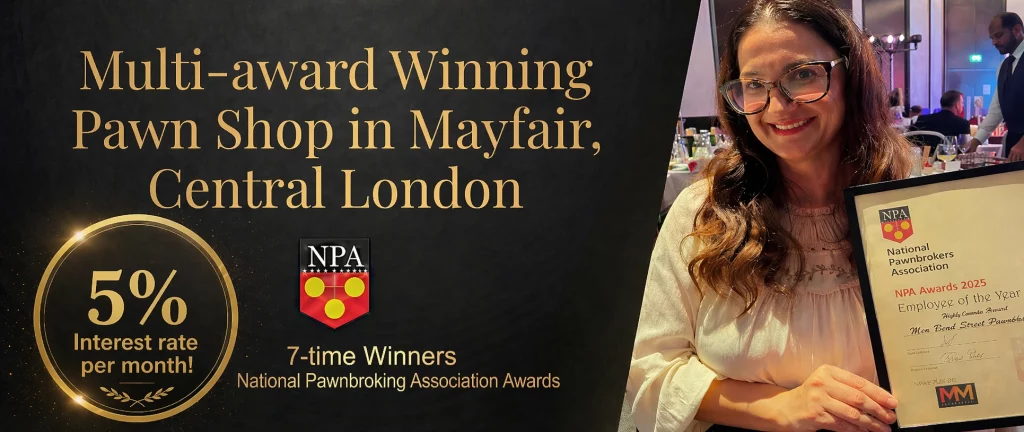
A pawn loan can be a credible career development loan alternative if you need a short-term loan to cover course fees and expenses. These loans differ from study loans because you borrow against a valuable asset you own. If you fail to repay your loan, the pawnbroker may sell your asset.
At New Bond Street Pawnbrokers, you can use a fine asset like timepieces, paintings & fine art, jewellery, or automobiles to access loans for two to seven months. These time frames are suitable for shorter courses, but they are not a replacement for multi-year course funding.
Before considering this option, consider the costs. A 5% monthly interest rate on a £4,000 advance would cost £200 per month in interest. If the loan were for six months, you would repay £4,000 in principal and £1,200 in interest, for a total of £5,200.
A collateral loan is only a good alternative to a career development loan if you know you can repay it at the end of the term. Otherwise, you risk losing your pledged asset.
How to compare your options
The cheapest option on paper isn’t always the right one. Compare each route on the points below, using the same amount and timescale.
Total repayable:
Work out what you’d pay back in pounds, including fees. A low monthly payment over a long term can cost more overall.
APR:
Use APR to compare costs of loans, but remember that it won’t give you the total cost of a loan until you add fees.
When you repay:
Check whether repayments start during the course or afterwards, whether they’re fixed or tied to income, and whether interest accrues while you study.
Risk:
An unsecured loan affects your credit file if you miss payments. A pawn loan puts a valuable at risk if you don’t repay under the agreement. Employer sponsorship may require you to repay costs if you leave.
Eligibility:
Some of the routes listed above have strict eligibility rules. Research before you apply.
Choosing between lenders
Other Alternative Lending FAQs
Alternative student loan options
Alternative student loans offer different ways to pay for study beyond securing a government loan via Student Finance England. The main options include private lenders, university bursaries, family help, and short-term collateral lending.
Alternative lenders for personal loans
There are several alternative lenders for personal loans, including non-bank loan providers, credit unions, community lenders, and pawn shops. They offer another form of borrowing: a short-term loan secured against a valuable item rather than an unsecured personal loan. The…
Alternative loan lenders
Comparing alternative loan lenders is about finding the right fit for how much you need, how quickly you need it and whether you can offer an asset as security. The firms below are named only as examples of each lender…
Alternative business loans
Alternative business loans can help fund stock, equipment and cash-flow gaps. Options range from borrowing against valuables to financing unpaid invoices. The right choice depends on what you need, how you will repay and what you are prepared to put…
Alternative loans
Alternative loans offer borrowers different options from traditional bank or building society loans. Understanding costs, eligibility requirements, and repayment obligations is essential before deciding which one is right for you.Constantin Singureanu.

Featured in the Press
Our quality service, high standards, and innovative business practices have earned positive press coverage from a diverse set of media outlets such as The Times, The Telegraph, Time Out, Channel 4, The Spectator, and more.