


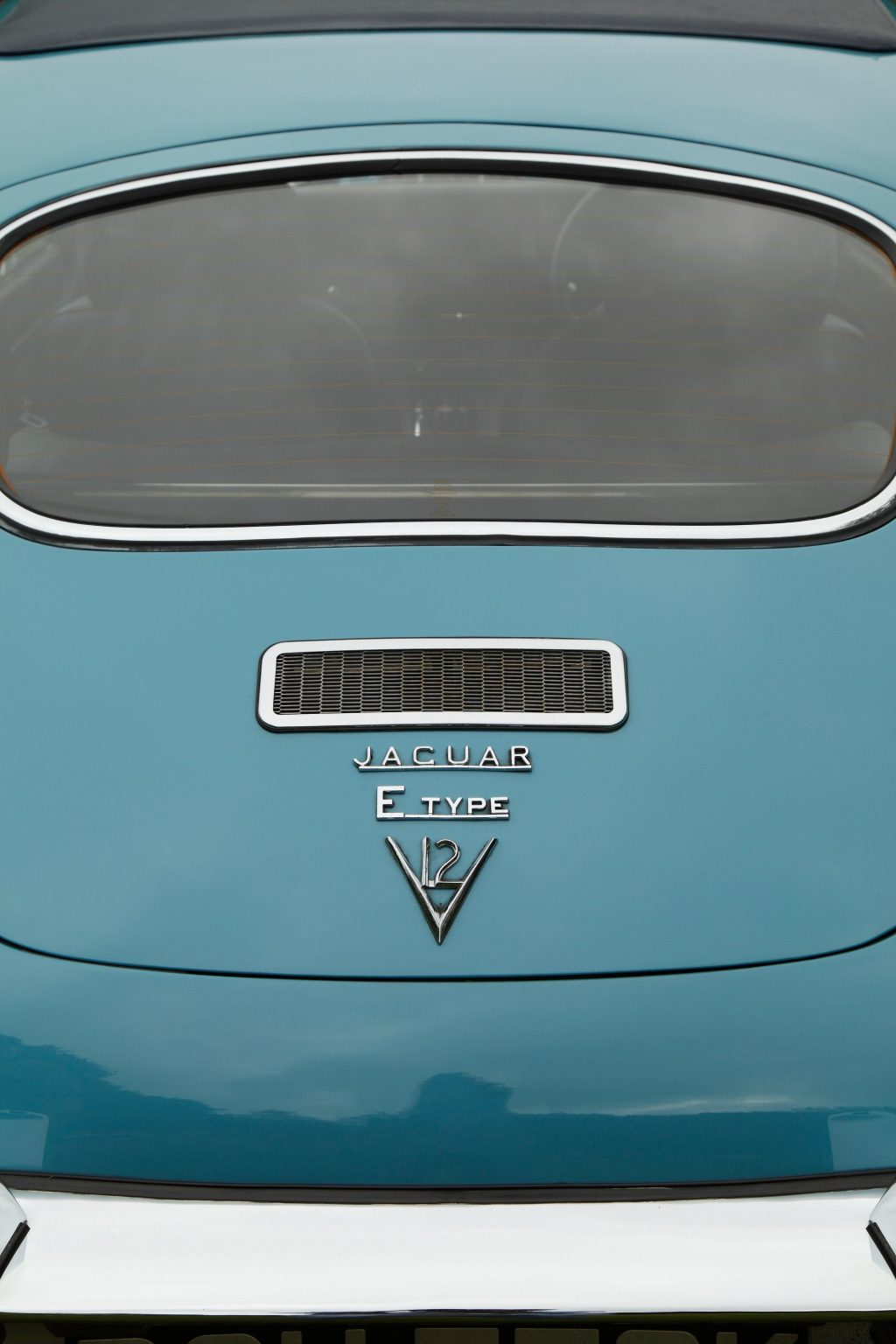
Jaguar E-Type Series 1 4.2 Fixed Head Coupé– A Collateral Loan Case Study Example using cars as security
A restored Jaguar E-Type is one of the most striking classic cars on the market. However, visual appeal can hide structural or mechanical issues. When evaluating this classic car for a collateral loan, experts must look beyond the paint and trim to understand the work beneath.
As an E-Type specialist will attest, the sills, floors, front frames and evidence showing how previous restoration was undertaken form a core part of an evaluation. Getting these details right is essential before considering using any vehicle as loan security.
In this illustrative case study, we look at how the classic car’s identity, restoration, present history and current market evidence all come together to ensure a fair secondary market when an owner wants to use a Jaguar E-Type Series 1 4.2 as collateral for a pawnshop loan.


Scenario: The Owner’s Funding Requirement
The owner needs £40,000 towards the first print run of a specialist illustrated book. Printing, binding and freight must be paid before copies reach distributors. Business reserves cover the remaining production costs, but the publisher wants to maintain cash flow. They consider a six-month loan against a personally owned Jaguar.
For this example, the security is a UK-supplied, right-hand-drive 1965 E-Type Series 1 4.2 Fixed Head Coupé. The owner retains its purchase invoice, V5C, heritage certificate, specialist maintenance bills and a photographic record of an older restoration.
The file records replacement floors and sill sections, an engine overhaul and an interior retrim. An upgraded cooling fan is also declared. The initial enquiry would include the car’s identifying numbers, current photographs and copies of the restoration records.
Identifying the Exact Jaguar E-Type
The assumed car is the two-seat Fixed Head Coupé, with a 4.2-litre straight-six and all-synchromesh four-speed manual gearbox. Our specialist would compare the chassis, engine, body and gearbox identifiers with the available historical records to confirm. The heritage certificate would act as further support.
The appraisal would also establish the original steering configuration, colour and trim where documented. Any later conversion or specification change would need to be recorded before confidently describing the car as a factory right-hand-drive example.
Correct identification helps an appraiser understand what to look out for and draw upon their expertise to check on any common issues with this model. It also helps to establish the health of the secondary market through auction comparables.
Series 1 E-Type-Specific Appraisal Considerations
The illustrative example is a restoration. As such, replacement structural work would be the primary consideration, and in particular how it was installed. Sill-to-floor joins, sill end plates and floor pans are important inspection areas, while body alignment is essential.
Our specialist would read the invoices alongside the photos. They would look for evidence of metalwork before it was obscured by paint and protective coating. Factors like door fit, bonnet alignment, and the mounting of the front frame would also provide further clues.
If physical inspection cannot resolve the uncertainty with structural issues adequately, the assessment could require additional specialist work before any lending decision is made.
Mechanical Condition, Maintenance and Restoration Records
The engine-overhaul invoice is a key document. Our appraisal would examine its date, mileage, scope and connection with this car. The specifics would be important, but would not replace a physical inspection.
Appropriate checks would consider engine starting, oil pressure, operating temperature, leaks and unusual noise. The declared cooling-fan upgrade would be recorded separately from the original specification, with its installation and operation assessed.
The rear suspension and braking system would also warrant attention. The E-Type’s inboard rear brakes are less accessible than its front brakes, so evidence of previous work and any contamination or leakage could affect the appraisal and anticipated repair costs. Finally, the specialist would review gearbox operation, clutch behaviour and available servicing records.
Researching Comparable Jaguar Prices
Collecting Cars’ August 2025 market review identifies a 1965 4.2 Fixed Head Coupé with a recent engine rebuild that sold for £58,510. It also records £62,500 for another 1965 example with substantial expenditure over the preceding six years. These are useful benchmarks, but further research would be required.
Bonhams’ September 2025 sale of a 1966 Series 1 4.2 Coupé project for £41,400, including buyer’s premium, is another reasonable reference point. However, it’s not directly comparable with our illustrative example.
For this scenario, £60,000–£70,000 is a provisional secondary-market assessment assumption. The upper end would require particularly persuasive inspection findings and additional closely matched evidence.
Specialist Vehicle Assessment Arranged Through Mayfair
The owner would arrange the examination with NBSP’s Mayfair team. Any final offer would depend on an automotive specialist’s inspection at a secure location, which would include a review of restoration quality and supporting photographs.
For this Jaguar, the assessment would require a clear view of the underside and front-frame mounting points. The specialist would check the car against its restoration records to establish whether the visible work matches the documented repairs.
Mechanical condition, specification and structural integrity would be assessed together. Evidence of an engine rebuild would not outweigh questionable body repairs, while a sound structure would not make cooling or braking faults less significant.
These findings would establish whether the provisional valuation could be confirmed, should be reduced or would need further evidence before an offer could be made.
Illustrative Six-Month Collateral-Loan Assessment
If the inspection and market evidence supported a £70,000 valuation, an illustrative lending proportion of 60% would make up to £42,000 available. The publisher could therefore request the £40,000 needed for the print order without borrowing the full amount.
The valuation and lending percentage are case-study assumptions, not confirmed terms. Each vehicle loan depends on the car’s appraised value, condition, liquidity and overall risk. There are a multitude of factors that could affect the loan-to-value ratio, including gaps in the restoration records, a soft buyers market, or adverse findings during the inspection.
Agreement, Secure Vehicle Storage and Redemption
At a fixed rate of 5% per month, a £40,000 advance over six full months would incur £12,000 interest, making the illustrative repayment £52,000. If an agreement were reached, the owner would provide identification, proof of address, purchase records and relevant finance details. Comprehensive insurance must cover the Jaguar’s full value, with the insurer informed of the loan and storage arrangements.
Handover records would document the car’s condition, restoration work, modifications and accompanying keys, tools and historical material. The Jaguar would remain in secure, climate-controlled London storage throughout the loan, unavailable for the owner’s use.
If book receipts arrive sooner, the owner could request an updated settlement figure without a separate early-redemption penalty. Following payment, collection and suitable transport would be arranged.
Starting an Assessment of a Restored E-Type
For this Jaguar, the illustrative evidence shows the work completed before the paint and trim were fitted. Restoration photographs, itemised metalwork invoices and engine records help a specialist assess the quality of the underlying restoration.
Submit these alongside the chassis and engine numbers, current photographs, and details of modifications or known faults. Flag any gaps in the records so the inspection can address them.
Contact New Bond Street Pawnbrokers at 5 Blenheim Street, Mayfair, to discuss the car and arrange an appropriate inspection.
A preliminary assessment neither guarantees an advance nor confirms the Jaguar’s final value. Lending remains subject to inspection, ownership and identity checks, an acceptable collateral assessment and agreed terms.
Featured in the Press
Our quality service, high standards, and innovative business practices have earned positive press coverage from a diverse set of media outlets such as The Times, The Telegraph, Time Out, Channel 4, The Spectator, and more.