


Collateral loans for start-ups: an alternative funding option
Collateral loans can be a good alternative funding option for startups that need a short-term cash injection. If you own a valuable asset, you can borrow against it to purchase stock, cover costs, or stay afloat until your next funding round.


How can collateral loans help fund a start-up?
A collateral loan can help fund a start-up by temporarily releasing capital from a valuable existing asset. The lender takes possession of the asset during the loan, but founders can redeem it once they repay the principal and interest.
By using an asset they already own, founders can fund specific business costs. However, it’s less advisable to use personal property to fund ongoing losses. Taking out a short-term collateral loan against an asset is too risky without a clear plan for how to repay.
For example, a startup could have grant money awarded, but not yet paid. A short-term collateral loan can cover the period, allowing the team to expand, buy equipment, cover wages, or further develop their product.
Can you get start-up funding without revenue or a trading history?
A founder can get collateral loan funding without revenue or a trading history, as long as they have an asset that interests a pawnshop. No credit history is required, meaning pawnbrokers are free to focus on the quality, viability, and authenticity of an asset proposed as security for a loan.
A collateral loan can work for startups without a track record. However, if the company is unproven and the founder pins their hopes on repaying the loan via potential sales, this kind of loan is not ideal because it could result in losing an asset if those sales fail to materialise.
Collateral loans vs. equity investment: can you fund a start-up without giving away shares?
A collateral loan can help a founder fund a start-up without giving up shares in the business. It can therefore offer an alternative to equity investment, where investors provide money in exchange for an ownership stake.
However, the collateral loan vs. equity trade-offs differ. Equity investment generally does not have to be repaid like a loan. Instead, investors seek a return through dividends or selling their shares. A collateral loan must be repaid with interest under the agreement, and the pledged asset is at risk if repayment is not made.
Which start-up expenses could a collateral loan help cover?
A collateral loan could help cover a variety of common start-up expenses, such as:
- Finishing an MVP: paying developers or designers to complete an initial product.
- Preparing for a pilot: adapting and testing a product for a customer trial.
- Completing a prototype: funding engineering, components or technical testing.
- Bridging funding payments: covering essential development costs while awaiting an agreed investment instalment.
While collateral loans can help with early-stage development spending and funding gaps, they shouldn’t be seen as a replacement for working with a venture fund or similar. Raising capital by using a personal asset as collateral is more akin to putting your savings into a start-up in that it exposes the founder to a considerable amount of risk.
Collateral loans vs. Start Up Loans: how do costs and terms compare?
Government-backed Start Up Loans have a lower published interest rate and a longer repayment period than most collateral loans.
Start Up Loans
This government-backed scheme offers founders between £500 and £25,000 at a 7.5% fixed annual interest rate. Loans are repayable over one to five years. However, these loans are more like unsecured personal loans, so they require credit and eligibility checks. Additionally, they can take weeks or months from the point of application to receiving funds.
Pawnshop collateral loan
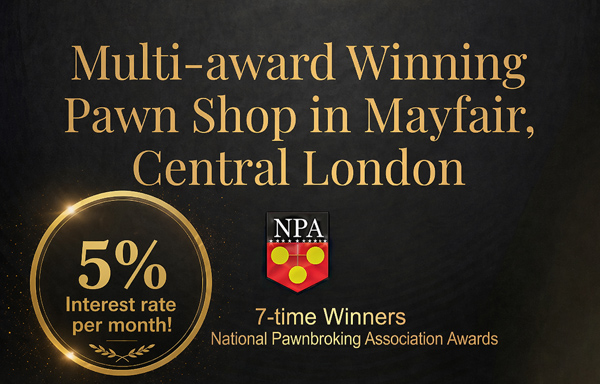
A collateral loan through a firm like New Bond Street Pawnbrokers functions differently. It is a secured loan taken out against luxury assets, like luxury watches, fine art & paintings, fine jewellery, or classic & vintage automobiles. Loans are short-term (two to seven months), have a fixed 5% monthly interest rate, and the amount available to borrow is directly indexed to the appraised value of your asset.
If your asset is appropriate, a pawnshop collateral loan is quicker and can unlock larger sums of capital. However, a Start Up Loan spreads repayments over a longer period, making it suitable for long-term lending rather than covering up temporary shortfalls or cash flow issues.
How will you repay if your start-up’s plans are delayed?
A repayment plan should work beyond the most optimistic launch forecast. Pawn loans usually require the capital and interest to be repaid together, rather than gradually reducing the balance through monthly instalments.
Before borrowing, test your plan against several scenarios, such as:
- Delays in customer or client payments.
- A launch or production run being delayed.
- Sales falling below forecast.
- An expected investment round not completing.
Always distinguish between funds that are already available, payments which are contractually due and income that remains speculative. Even a confirmed order can involve delivery disputes or late payment.
What personal risks does a founder take when pledging valuables?
The immediate risk a founder takes when pledging valuables is losing their asset if the loan is not repaid.
Before signing any agreement, establish:
- Who owns the asset?
- Who is named as the borrower?
- Who is responsible for repayment?
- What happens if the business stops trading?
- What does the agreement say about default and renewal?
Do not assume that borrowing used by a limited company is automatically the company’s debt. If the founder signs personally, the agreement must be understood as their borrowing commitment.
The business’s need for funds should therefore be weighed against the founder’s willingness and ability to put that particular possession at risk.
Choosing between lenders
Other Collateral lending FAQs
Pawn shops vs. bridging loans
Pawn shop loans can be alternatives to bridging loans for people who need short-term funding and own eligible valuables that can support their required loan amount. Instead of securing a loan against your property, you pledge an asset such as…
Pawn shops vs. bank loans
Pawn shop loans are an alternative to bank loans for people who own eligible assets and are prepared to pledge them as security. They can offer quick access without a credit check, but usually cost more than high-street bank loans…
Loans Against Rare Books: Frequently Asked Questions
Potential rare and collectable books include sought-after first editions, signed copies, and collectable illustrated books with an established resale market. Age and scarcity alone do not establish lending value. For example, obscure books may be difficult to find but still…

Featured in the Press
Our quality service, high standards, and innovative business practices have earned positive press coverage from a diverse set of media outlets such as The Times, The Telegraph, Time Out, Channel 4, The Spectator, and more.