

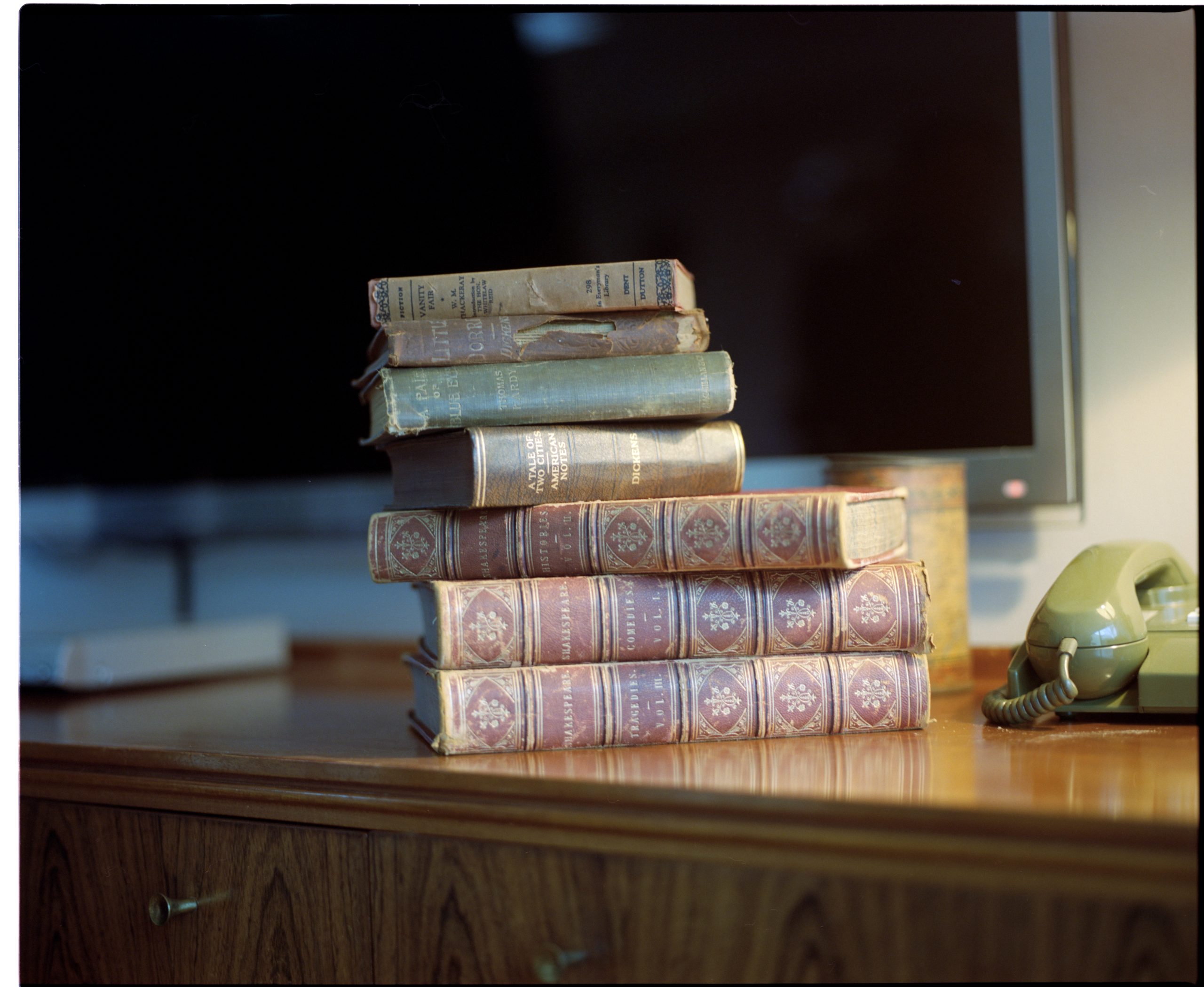
Pawn rare & first edition books
Pawn your rare & first edition books with New Bond Street Pawnbrokers, a multi-award-winning pawn shop in Mayfair, Central London (just off Oxford Street, New Bond Street or Piccadilly).


Can I get a loan against rare books without selling them?
Yes, you can get a loan against rare books without selling them with New Bond Street Pawnbrokers, at our Central London location at 5 Blenheim Street, Mayfair, W1S 1LD
New Bond street Pawnbrokers consider loans against rare books, subject to assessment of the individual copy and its resale market. Any books we accept are held as collateral rather than purchased from you. You can reclaim them by repaying the amount due under your agreement.
Which books could qualify for a rare-book loan?
Potential rare and collectable books include sought-after first editions, signed copies, and collectable illustrated books with an established resale market. Age and scarcity alone do not establish lending value. For example, obscure books may be difficult to find but still lack strong demand on the secondary market.
Our experts need to identify the edition, examine the copy, and find relevant evidence of what comparable books actually sell for.
What should I send for an initial valuation of my rare book?
For an initial valuation of your rare book, send photographs of the binding, spine, title page, copyright page and any dust jacket, signature or inscription. Additionally, include the author, publisher, publication date and any known damage or repairs.
A bookseller’s invoice or previous auction description can help identify the copy. For a collection of sought-after books, provide an inventory of titles and editions. While photographs can help with an initial indication, a final assessment requires physical examination.
Does “first edition” mean my book is valuable as collateral for a loan?
No, a first edition book does not automatically make it valuable when used as collateral for a loan. Every published title has a first edition, and most don’t attract collectors’ attention.
Additionally, a first edition can contain several printings, and collectors may distinguish between variations within that edition. Publisher statements, number lines and other bibliographical details help establish what you own. A copyright date alone is insufficient.
The important question is whether your particular printing has collector demand, not whether a different copy of the title achieved a high price.
How do dust jackets and condition affect the value of collateral loans on collectable books?
For many twentieth-century first editions, the correct original dust jacket is an important part of the book’s value. A reproduction jacket is not equivalent. Missing plates or maps, staining, loose hinges, rebinding and repairs can also affect the assessment.
Disclose known issues rather than attempting improvements. Do not clean pages, apply adhesive tape or commission restoration before consulting a specialist.
Can a signature or previous owner increase the collateral loan valuation of my rare book?
A signature or previous ownership can increase a collateral loan amount if authenticity and significance can be established. An author’s inscription to another notable writer may carry different market weight from a signature alone.
Ownership claims need supporting evidence, such as correspondence, invoices or documented provenance. A handwritten name is not automatically an author signature, and an ordinary gift inscription should not be confused with a documented literary association.
What size pawnshop loan could I get on my rare books?
The best way to illustrate the size of a pawnshop loan you can get on your book is with past auction results.
For example, A Harry Potter and the Philosopher’s Stone (1997), first edition, first printing sold at Bonhams for £79,140, including buyer’s premium. A comparable copy assessed at £60,000 could support a £30,000 loan at an illustrative 50% advance. Similarly, a The Hobbit (1937) first edition, first impression sold at Bonhams for £10,880, including buyer’s premium. A comparable copy assessed at £8,000 could support a £5,600 loan at an illustrative 70% advance
Remember, these are hypothetical loan examples, not guaranteed offers. Auction prices are great as comparisons, but each copy requires individual assessment.
What happens if I cannot repay a loan taken out against a collectable book?
If you can’t pay back the loan taken out on your collectable book, contact us before the redemption deadline to discuss any problems. We always try to work with our customers to find reasonable solutions. If the loan is not repaid or renewed, the pledged books may be sold to recover the amount owed.
New Bond Street Pawnbrokers has been providing loans on fine art for over 27 years at our multi-award-winning pawn shop in Mayfair, Central London (just off Oxford Street), including on:
Other Collateral lending FAQs
Collateral loans for start-ups
Collateral loans can be a good alternative funding option for startups that need a short-term cash injection. If you own a valuable asset, you can borrow against it to purchase stock, cover costs, or stay afloat until your next funding…
Pawn shops vs. bridging loans
Pawn shop loans can be alternatives to bridging loans for people who need short-term funding and own eligible valuables that can support their required loan amount. Instead of securing a loan against your property, you pledge an asset such as…
Pawn shops vs. bank loans
Pawn shop loans are an alternative to bank loans for people who own eligible assets and are prepared to pledge them as security. They can offer quick access without a credit check, but usually cost more than high-street bank loans…
Featured in the Press
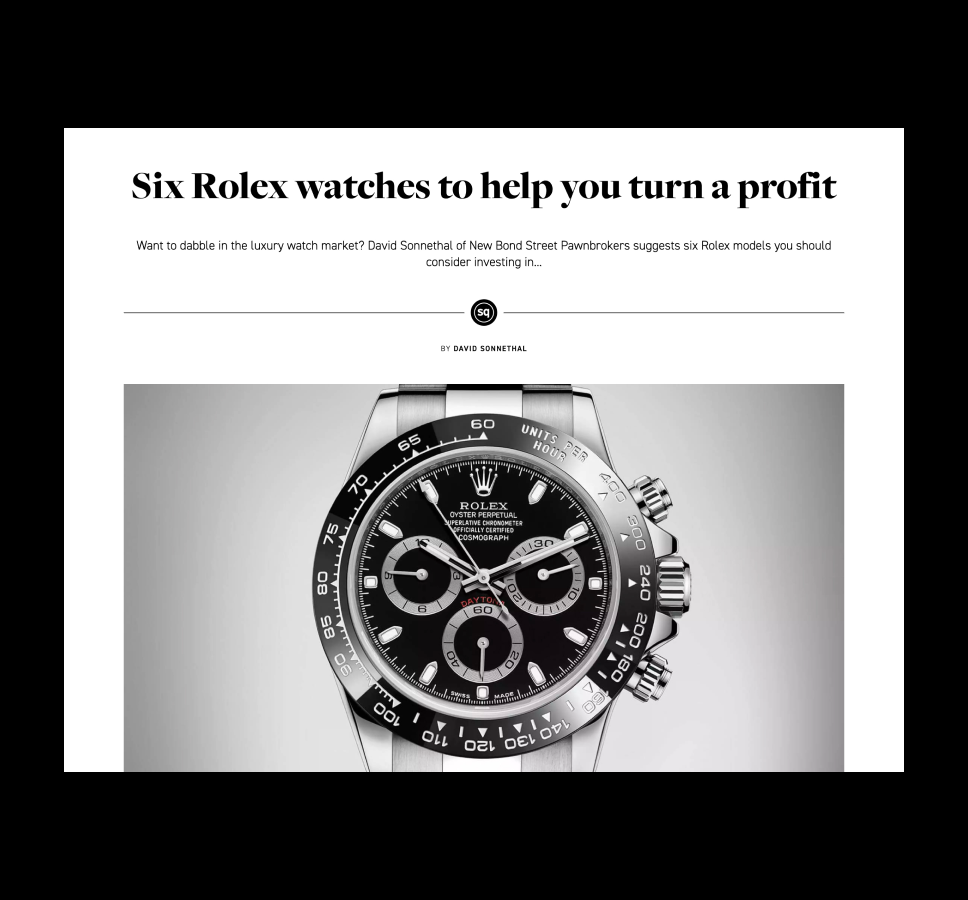
Our quality service, high standards, and innovative business practices have earned positive press coverage from a diverse set of media outlets such as The Times, The Telegraph, Time Out, Channel 4, The Spectator, and more.