

Bugatti Type 57 Ventoux – A Collateral Loan Case Study Example when using cars as security
Classic cars as rare and old as the Bugatti Type 57 require careful appraisal. There are a lot of questions that must be answered, even if a particular example is well-presented. Before lending against this motorcar, a pawnbroker needs to consider if bodywork has been restored or replaced, and which mechanical components may have changed over decades of maintenance.
When it comes to classic cars, supporting the history file is just as essential to valuation as a look beneath the hood. In this illustrative case study, we look at how historical research, physical inspection and auction evidence come together when a customer wants to use a Bugatti Type 57 Ventoux as collateral for a loan.


Scenario: The Owner’s Funding Requirement
The owner is a retired company director who needs £100,000 to meet a payment agreed under a divorce settlement. He intends to pay from an investment portfolio sale, and expects net proceeds within about three months. The Bugatti is his sole property, and he provides documents that establish ownership and availability to pledge.
For this example, the proposed security is a 1936 Bugatti Type 57 Ventoux with an older restoration. The owner retains its V5C, purchase invoice, previous auction catalogue, specialist maintenance invoices and restoration photographs. The engine is described in those records as original to the chassis. However, the file does not fully explain the extent of earlier coachwork repairs.
He provides photographs and documents to get an initial indication on a collateral loan.

Identifying the Exact Bugatti Type 57 Ventoux
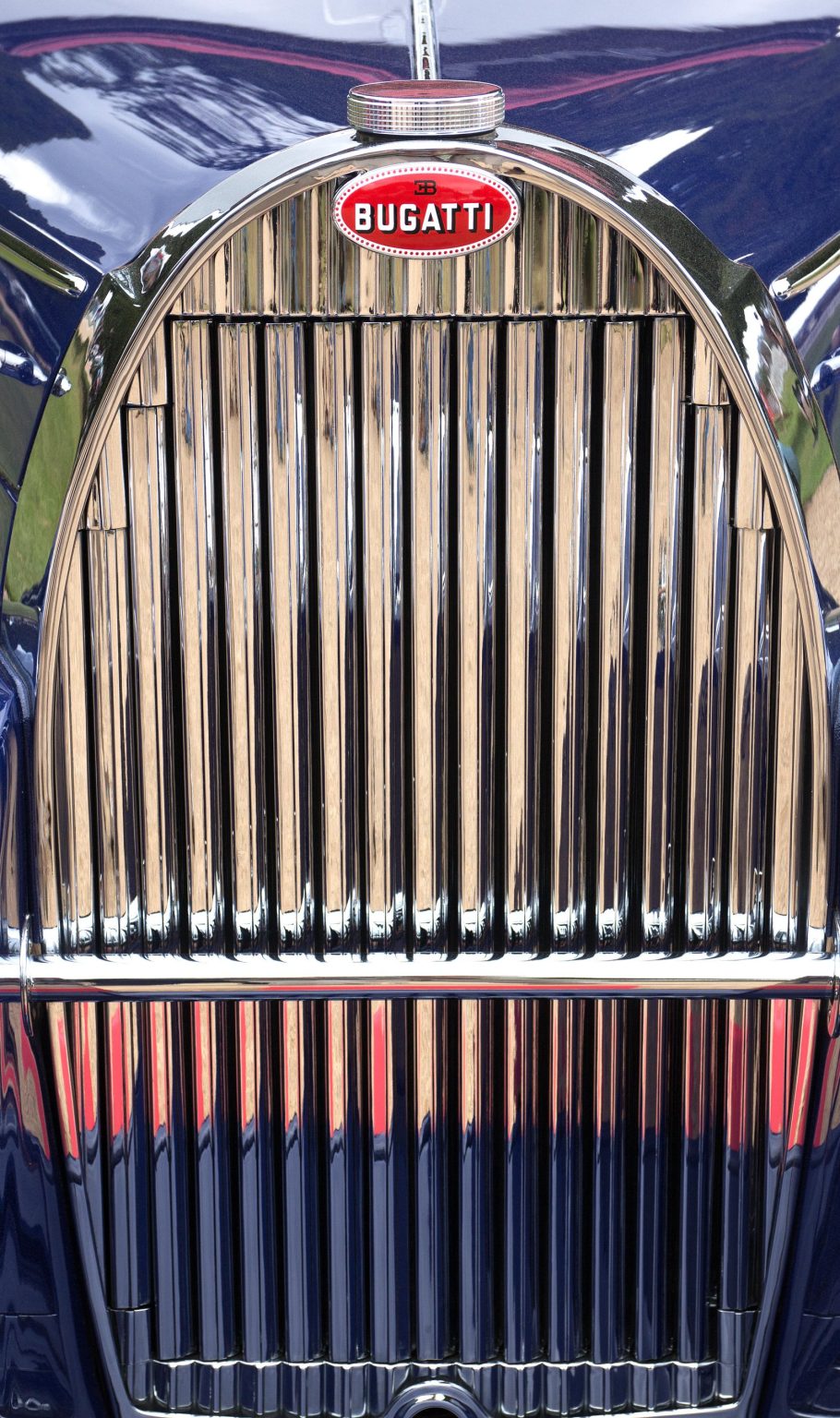
The standard Type 57 combines a 3.3-litre twin-overhead-camshaft straight-eight engine with a chassis used for several Bugatti body styles. The Ventoux version is different because it’s a four-seat coupé design that comes with various window configurations.
The first thing our specialist would do is establish the car’s chassis identity, body configuration and mechanical specification. We would check this against purchase documents, historical photographs, and any available factory register information. Confirming it was a 1936 Type 57 Ventoux would just be the start of the journey.
Ventoux-Specific Appraisal Considerations
Coachwork is the biggest concern with this example. While restoration photographs could show body repairs, they would need careful examination to confirm they are original to the chassis.
Distinguishing substantially reconstructed or replacement bodywork from minor panel placement is an essential step. Body-number evidence, historical photographs, invoices and specialist correspondence could help explain what work has occurred.
Mechanical identity would receive the same scrutiny. An engine described as original in an earlier catalogue would need supporting evidence to confirm that is still the case. Engine, gearbox and axle identifiers would be considered where accessible and relevant.
Mechanical Condition, Restoration and the History File
An older restoration would be assessed through both its documentation and the car’s present condition. Invoices could explain the work undertaken, while photographs would help connect that work with the chassis, body and mechanical components being examined.
The proposed inspection would address starting and running behaviour, and explore areas such as cooling, leaks, gearbox operation, steering, brakes and suspension. Any operational testing would depend on the car’s condition, with an arrangement likely made with a pre-war Bugatti specialist.
The expert would also compare the fitted equipment with the documented specification. Finally, the history file would be reviewed chronologically for any unexplained gaps or contradictions.
Researching Comparable Bugatti Prices
Gooding’s April 2024 Mullin Collection auction records a 1936 Type 57 Ventoux, chassis 57377, selling for around £382,400. It should be noted that the recorded price was almost double the pre-auction estimate.
This model is described as retaining both its original engine and factory-fitted coachwork. Furthermore, previous ownership is listed in the John Shakespeare and Schlumpf Reserve collections.
Interestingly, a 1934 Ventoux sold by Gooding Christie’s in August 2025 sold for significantly less, at £169,568. While it’s not an exact comparison, our specialist would need to investigate the price difference and explore any trends or reasons this gap might signify.
For our illustrative example, a provisional secondary-market assessment of £250,000 is assumed.
Specialist Vehicle Assessment Arranged Through Mayfair
The owner would discuss the car and its records with the Mayfair team before arranging movement. From there, we could arrange an automotive specialist to examine the vehicle at a secure location.
Our examination would connect the car’s details with historical records, and explore bodywork, restoration and mechanical condition. If required, further marque-specific research or technical examination would be requested before a valuation is finalised.
The resulting findings of this work would ultimately determine whether the auction examples are still relevant to this car and whether the provisional £250,000 valuation would stand up to scrutiny on the secondary market.
Illustrative Four-Month Collateral-Loan Assessment
If inspection and suitable market evidence support a £250,000 assessment, an illustrative lending proportion of 50% would produce a potential advance of £125,000.
That would exceed the owner’s £100,000 requirement. In situations of this nature, the customer could request only the amount needed rather than borrow the maximum illustrated advance. In this example, the owner decides to take a loan of £100,000 against his classic car.
Uncertain coachwork history, substantial mechanical expenditure or weaker comparable evidence could reduce the amount available. Similarly, unresolved ownership or chassis-identity concerns could prevent lending altogether. Our classic car lending includes a clear title, supported identity and documentary evidence.
Agreement, Secure Vehicle Storage and Redemption
Before proceeding, the owner would provide identification, proof of address and evidence of ownership and authority to pledge the Bugatti. We would ensure that any settlement-related restriction affecting the car was clarified alongside the proposed loan documentation. The pre-contract information and agreement would explain the advance, interest, charges, term and redemption requirements in clear language.
Before the Bugatti enters storage, its condition and displayed mileage would be documented alongside the keys, tools and historical records entrusted to NBSP. The car would then be held at a secure facility also used by major auction houses, with comprehensive insurance maintained for its full value throughout the loan.
Should the portfolio-sale proceeds become available sooner than expected, the owner could obtain a settlement figure and repay early without an additional penalty. Once the balance is cleared, collection would be coordinated for the Bugatti and every accompanying item recorded at handover.
Discussing a Loan Against a Classic Bugatti
A Ventoux’s borrowing potential rests on how convincingly its history connects the chassis, engine and body fitted today. Restoration quality matters, but so too does knowing which parts survive from manufacture and which reflect later work.
To begin that review, send the car’s identifying numbers, detailed photographs and available purchase and restoration paperwork, noting any known replacements. Explain any unresolved ownership question or restriction on pledging the Bugatti before committing to inspection or transport.
Speak to New Bond Street Pawnbrokers at 5 Blenheim Street, Mayfair, to establish what further research or examination your car may require.
An initial assessment provides a basis for discussion, not a commitment to lend. Any offer would remain subject to examination, satisfactory identification and ownership checks, the lender’s acceptance and agreed borrowing terms.

Featured in the Press
Our quality service, high standards, and innovative business practices have earned positive press coverage from a diverse set of media outlets such as The Times, The Telegraph, Time Out, Channel 4, The Spectator, and more.