We consider loans against natural diamonds, including loose certified diamonds, diamond rings, earrings, necklaces, bracelets, pendants and selected branded jewellery.
Suitable diamonds may include:
– Colourless diamonds.
– Fancy-colour diamonds.
– Round brilliant, emerald, oval, pear, cushion, radiant, marquise and princess-cut diamonds.
– Single stones, matched pairs and suites of diamonds.
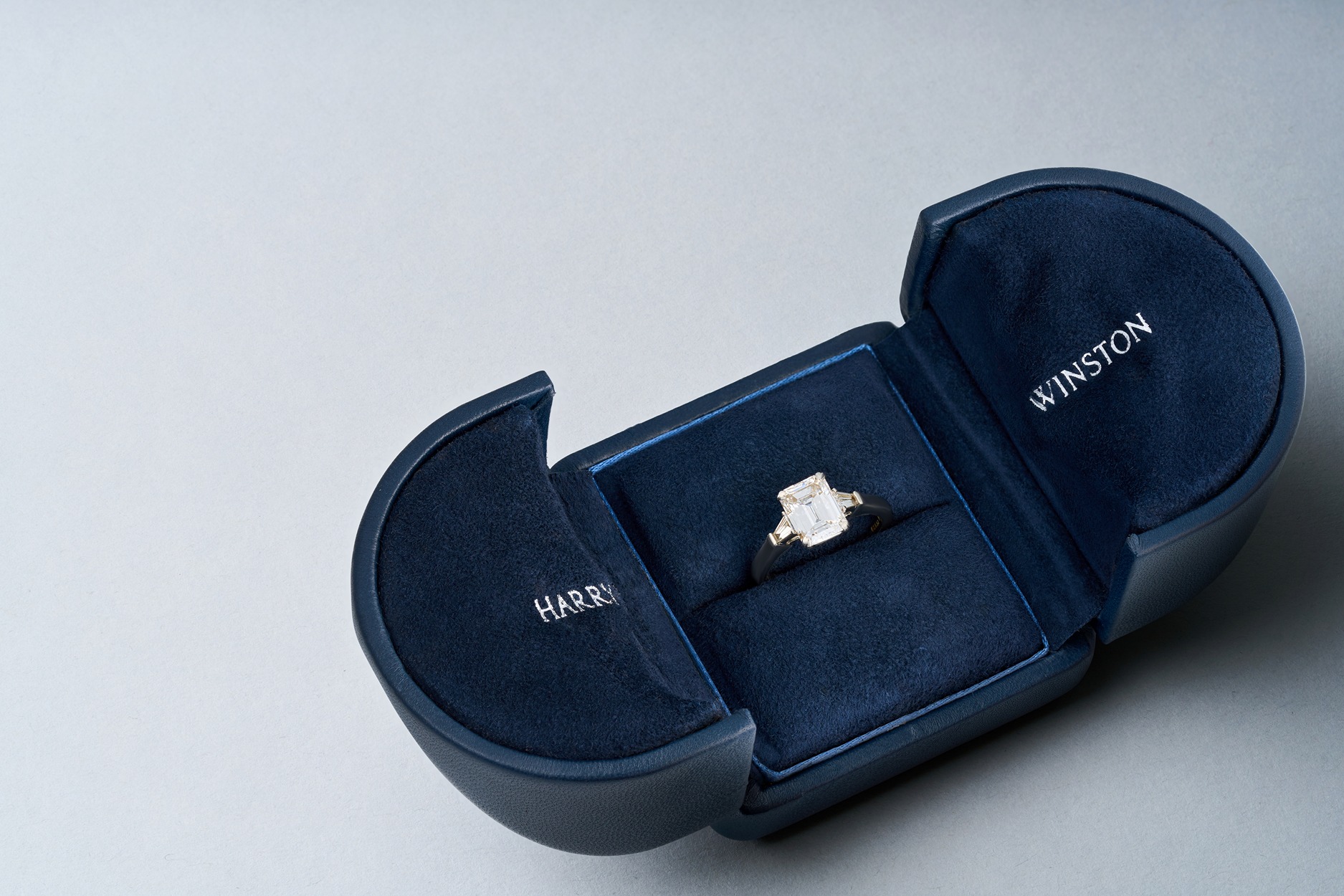
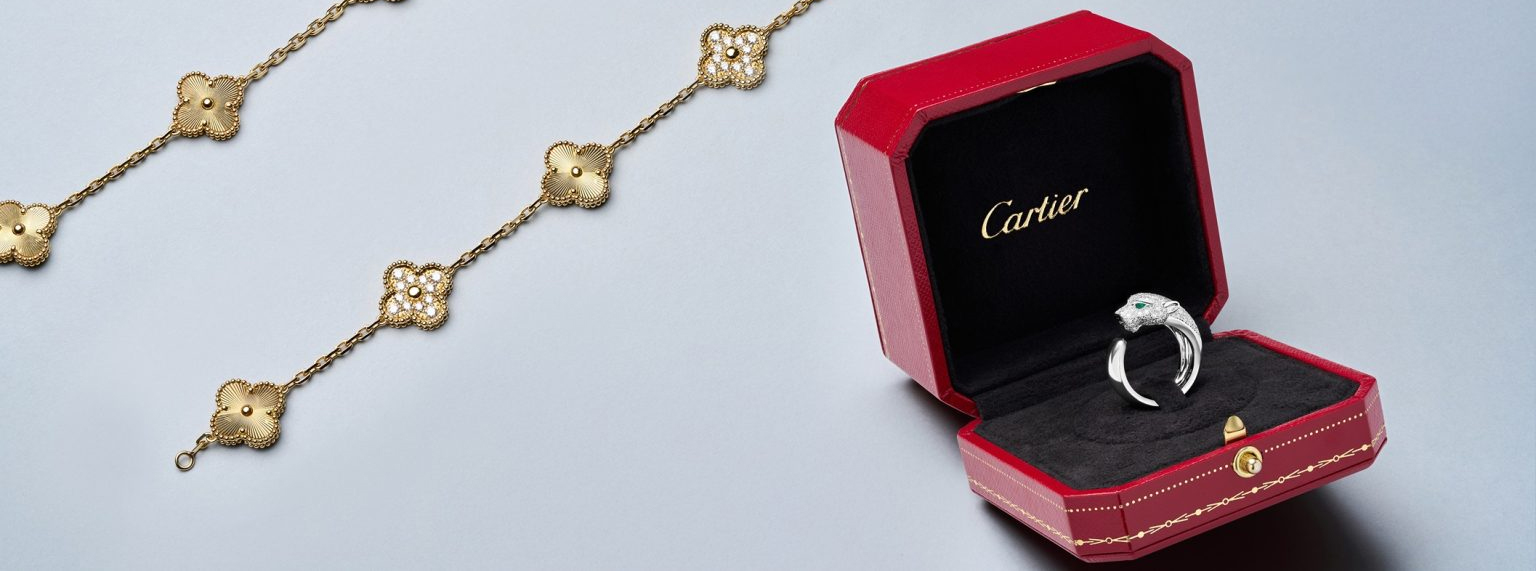
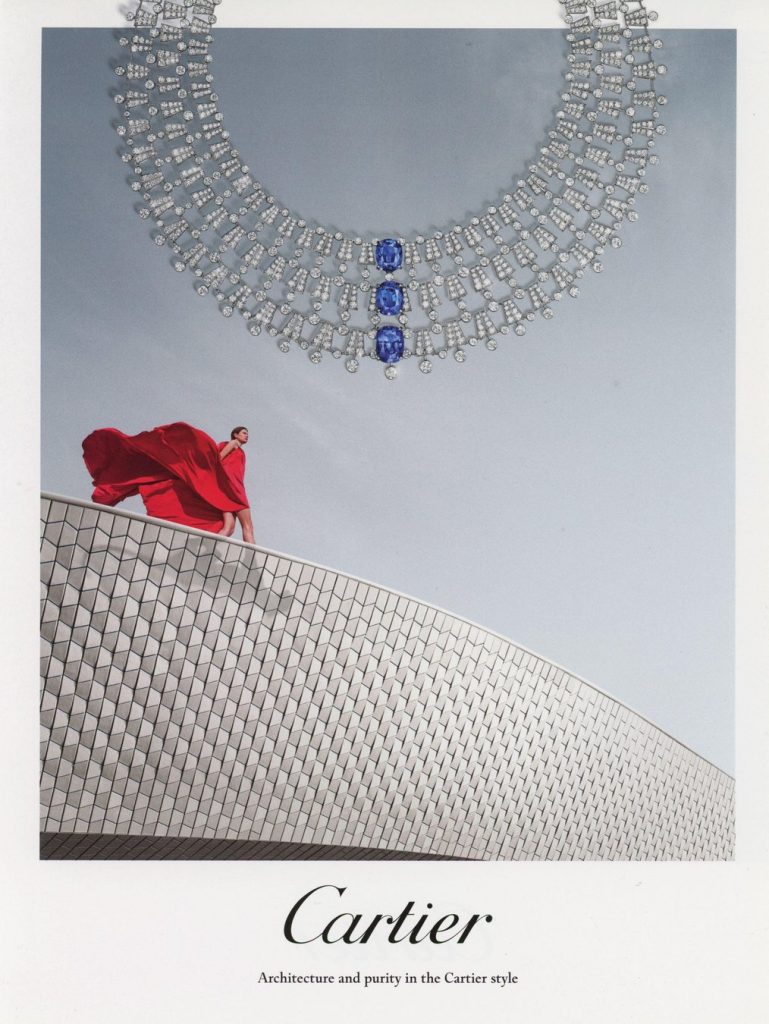
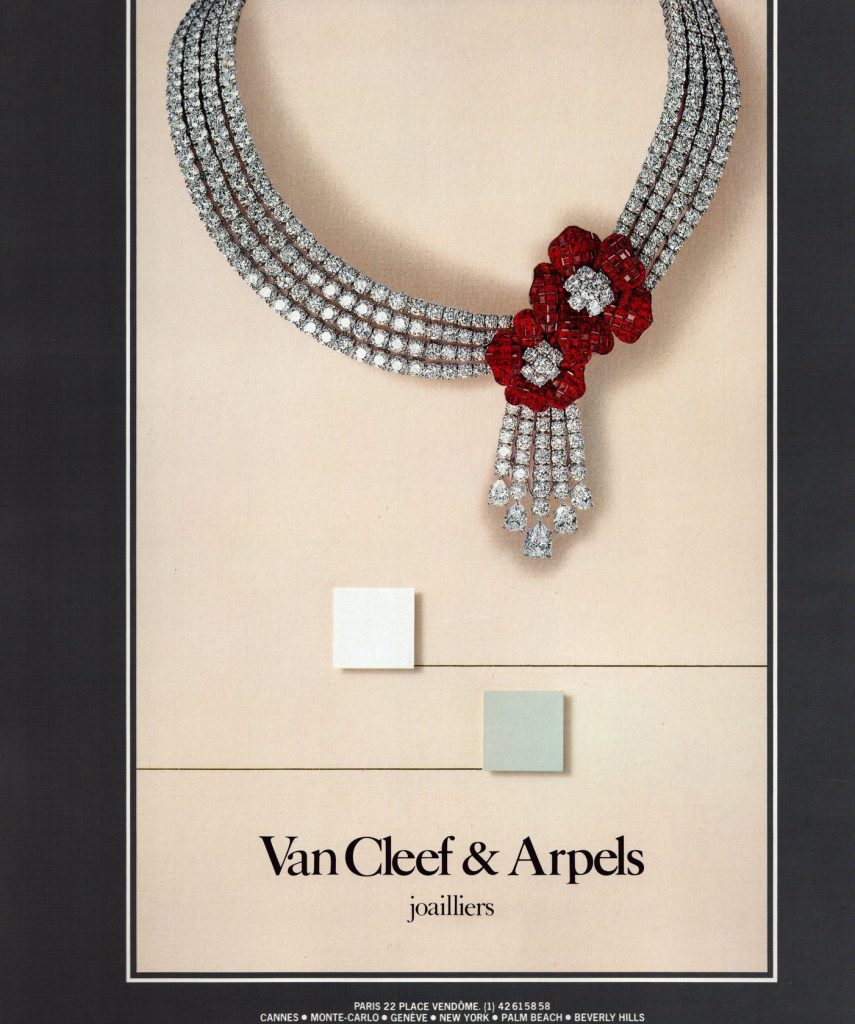
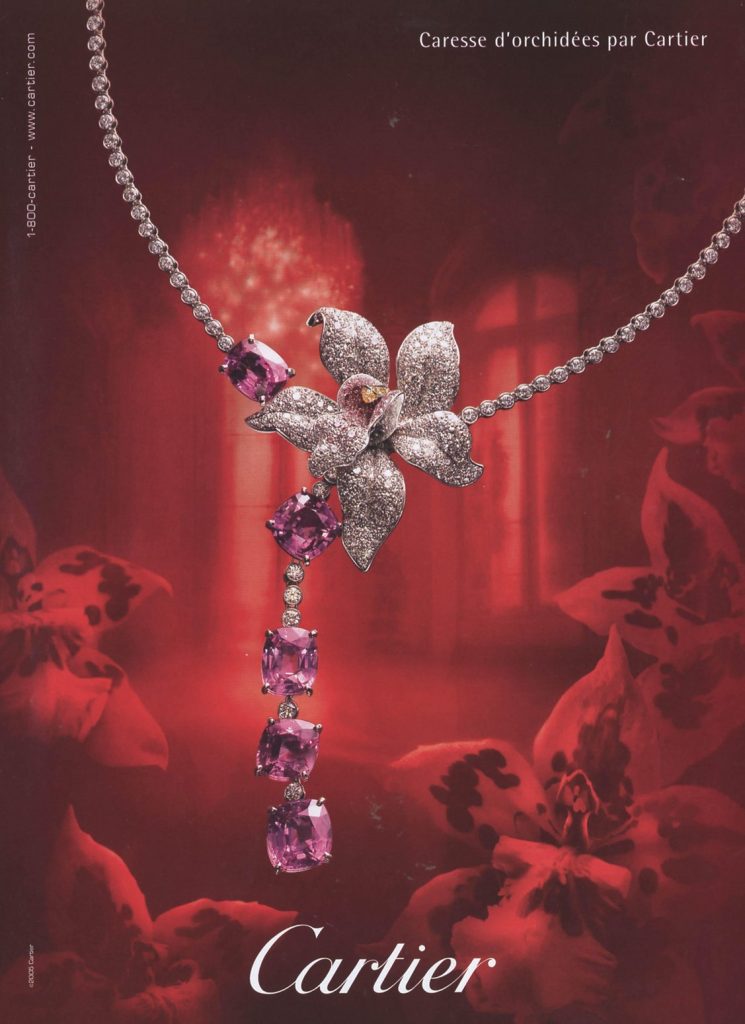
– Diamond-set jewellery by recognised maisons such as Cartier, Van Cleef & Arpels, Graff, Bulgari, Tiffany & Co. and Harry Winston.
– Antique, vintage and contemporary diamond jewellery.
We focus on the individual stone or piece rather than simply the total carat weight. For example, a well-cut, natural-colour diamond with strong certification can be more suitable collateral than a larger stone with lower colour or clarity, treatment concerns or limited resale demand.
There are a variety of pawnable diamonds, but generally, pawnbrokers categorize them in the following types and cuts:
– 2 CARAT DIAMONDS
The worth of your 2-carat diamond at pawn shops will likely fall somewhere in the range of $8,000 to $50,000. This is a large range because the higher end of the scale will be reserved for diamonds that are cut perfectly and flawless in clarity, as well as potentially being a rare colour.
– BAGUETTE CUT DIAMONDS.
Baguette-cut diamonds are valuable and popular, often being used in jewellery, so they’re a great asset to borrow funds against. The bold, rectangular outline encasing terrace-like cuts and facets creates an incredible effect. So, what is the financing amount you can get on your baguette cut diamonds?
Most pawnbrokers will be able to give you an accurate valuation on your diamond at their stores, but overall, we always find that baguette diamonds do raise sizeable credit. For example, in 2018 a ring with a rare 10.68-carat lozenge-shaped Columbian Classic emerald and a baguette-cut diamond sold for $1.2 million at Sotheby’s – calculate 50%-70% of this price, and you will quickly get an initial understanding of the sum you would raise by pawning your baguette diamond.
– BLUE DIAMONDS
Blue diamonds are rare, expensive, and in high demand due to their natural colour, hence they can be a great idea if you try to avoid losing ownership of it. They are formed when there are boron particles and the particles are trapped in the diamond’s lattice form. Boron as an element absorbs yellow light naturally, therefore making the diamond reflect a blue colour. It’s difficult to tell the worth of a blue diamond without expert valuation, although darker blue diamonds often fetch more at auction. The Blue Moon of Josephine, for instance, sold at auction in 2015 for £37,396,080.
– CUSHION CUT DIAMONDS
This is a fascinating cut that is square but has round corners, and it faces upwards so it looks a bit like a bigger diamond from above. In one particularly crazy story, someone bought a cushion cut diamond at a London junk sale for just £10 as it was thought to be a piece of costume jewellery. They later sold it for £657,000 at Sotheby’s. Loans on cushion cut diamonds vary like all others.
– EMERALD CUT DIAMONDS
Only about 3% of diamonds in the whole world are Emerald cut. They’re a unique type, admired for their vintage look and cut that makes them sparkle differently from the round cut variety.
– FANCY COLOUR DIAMONDS
Like the emerald cut, fancy colour diamonds are rarer than your more common round cut, and lending against it is likely to be high, even if it’s a low carat. The most expensive fancy colour diamond sold to date was the pink star, which went for $71.2 million in 2017.
– MARQUISE CUT DIAMONDS
Marquise cut diamonds have a luxurious appeal – it’s a smooth, curved cut with pointed ends and its 58 facets give this diamond an exceptional finish. In history, marquise diamonds have been used in fine jewellery, and fetched considerable funds when sold on. For example, the Anonymous Diamond Necklace contained a line of 24-carat marquise diamonds and sold at auction for £352,188 in 2011.
– OLD CUT DIAMONDS
In the early days of gem cutting, diamonds were shaped differently and reflected little to no light. It meant they appeared black, in the past being valued for their hardness and drawing the eye into their depths over anything else. This means the three types of old cut diamonds – Old Mine Cut, Old European Cut, and the Rose Cut are all quite different from many other diamonds.
– OVAL CUT DIAMONDS
As they are highly valuable, sometimes oval-cut diamonds can often access loans far larger than clients want or need to borrow. For example, back in 2013, an oval cut diamond, which was colourless, sold for a tremendous $30.6 million in Hong Kong.
– PEAR CUT DIAMONDS
We understand that pear-cut diamonds can mean so much more than just their monetary value. An exquisite combination of round and marquise cut diamonds with between 58 and 72 facets, they are gracefully beautiful.
– PINK DIAMONDS
Diamonds with a pink or red colour to them are some of the most in-demand gemstones in the world, meaning you will release significant capital by either selling it, or by pawning it. Only 0.1% of diamonds mined each year tend to be pink ones, so their extreme rarity also adds to their value. Pink diamonds are also mysterious. There’s a scientific explanation for most other coloured diamonds, but since pink ones don’t contain any impurities, scientists have struggled to understand what gives them their colouring. One potential explanation is they have a molecular difference.
– PRINCESS CUT DIAMONDS
Princess-cut diamonds often command a high level of borrowing, as this cut of diamonds is the second most popular after the round cut. Princess cut diamonds were first created recently, during the 1960s, and have four corners rather than rounded edges.
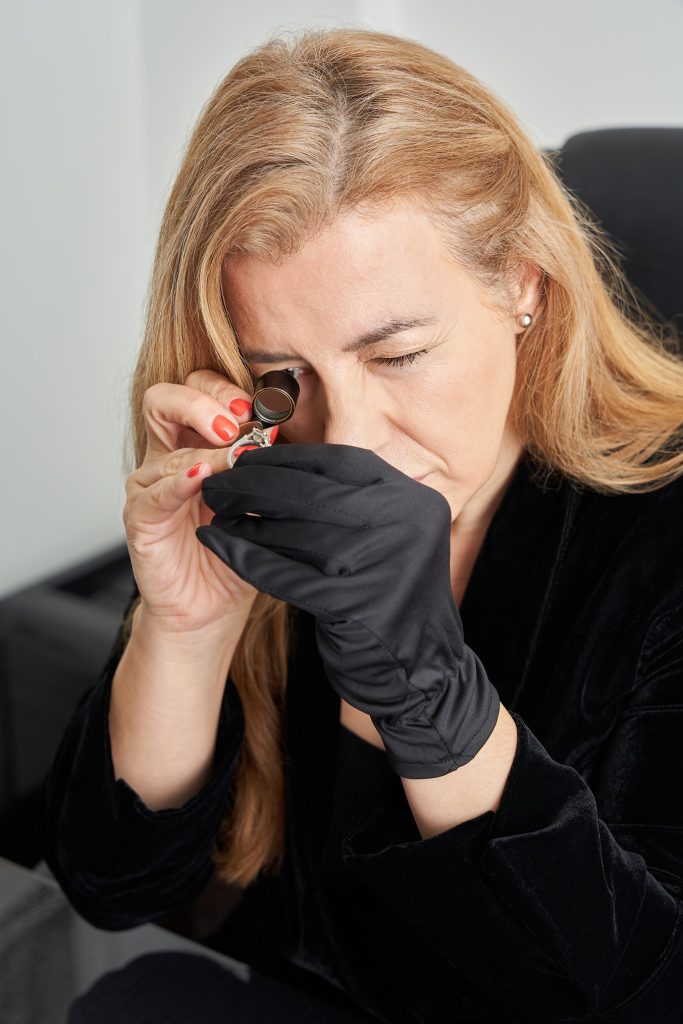
– GIA CERTIFIED DIAMONDS
Most pawnbrokers prefer GIA-certified diamonds as a way of securing a loan. A GIA-certified diamond is a diamond that has been graded by the Gemological Institute of America (GIA), which has a London base in Bloomsbury.